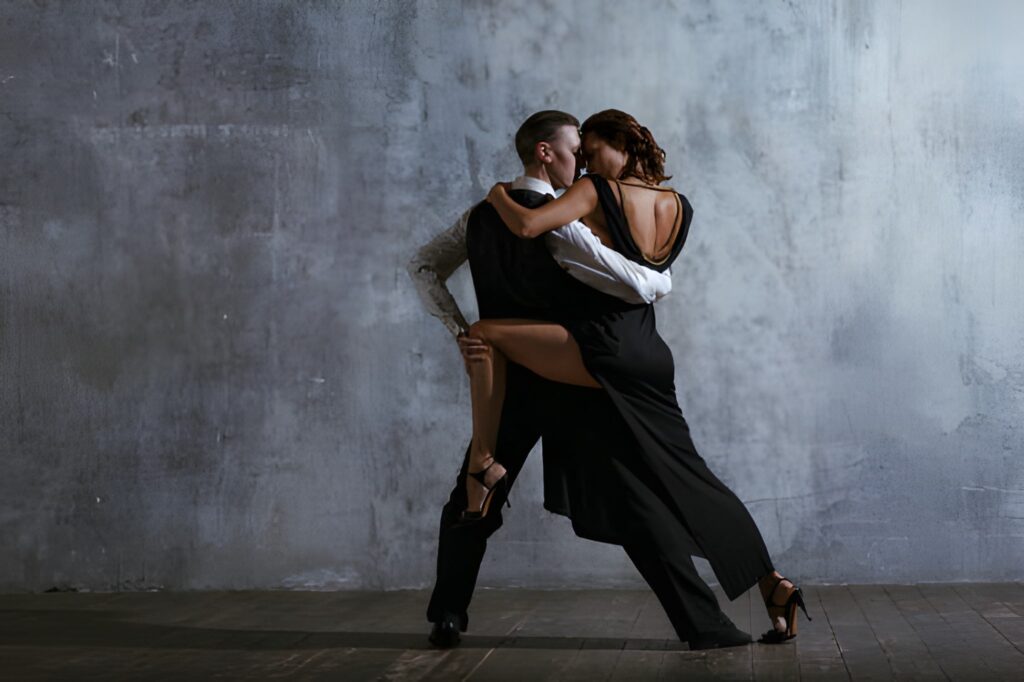

Walking into a dance studio for the first time feels remarkably similar to approaching an unfamiliar bar. The menu sprawls before you—dozens of options with names that might be familiar or completely foreign. Where do you even begin? What will you enjoy? What suits your personality?
This guide matches ballroom dances to their cocktail equivalents, helping you understand the character of each dance before you order. Whether you prefer something classic and refined or bold and adventurous, there’s a dance perfectly suited to your taste.
Why the Bar Menu Works as a Dance Guide
Both bars and dance studios offer variety designed for different occasions, moods, and personalities. Just as you might order differently at a casual happy hour versus a formal celebration, you’ll gravitate toward different dances for a wedding reception versus a Latin nightclub.
The metaphor also helps demystify the selection process. You probably already know whether you prefer vodka or whiskey, beer or wine. Those preferences reveal something about your taste that translates surprisingly well to dance selection.
Let’s explore the menu.
The Drinks Menu of Ballroom Dancing
Vodka Cranberry = Swing Dancing
Approachable, fun, and universally appealing
A vodka cranberry is the drink that works everywhere—casual bars, upscale lounges, house parties. Swing dancing shares that universality. It’s a wonderful way to get into a new world of dancing without feeling out of place.
Why Swing is Perfect for Beginners:
- Modern music works beautifully (rock, pop, country)
- The energy matches social atmospheres
- Both young and older dancers enjoy it equally
- It doesn’t require formal attire or venues
Best Occasions for Swing:
- Wedding receptions
- Company parties
- Casual social dances
- Bars with live bands
Swing gives you a great taste for dancing without demanding specialized skills or circumstances. Order this first if you’re not sure what you’ll like.
Rum and Coke = Cha-Cha
Versatile, popular, and always appropriate
Rum and coke works at beach bars and cocktail parties alike. Cha-Cha shares that versatility—it fits modern pop music, traditional Latin rhythms, and everything in between.
Why Cha-Cha is a Must-Have:
- Recognizable to non-dancers (they’ll know you know what you’re doing)
- Playful energy that matches most social occasions
- Works with a huge range of music
- Impressive without being intimidating
Best Occasions for Cha-Cha:
- Latin-themed events
- Clubs playing pop music
- Social dance nights
- Any party with upbeat music
Cha-Cha is a must-have on any social dancing night out. Like rum and coke, you can order it almost anywhere and feel confident in your choice.
Chardonnay = Waltz
Classic, elegant, and timeless
Chardonnay is the wine people order when they want to appear refined without being pretentious. Waltz carries similar qualities—it’s the mother of all dances, carrying tradition, elegance, and beauty without demanding virtuosic skill.
Why Waltz Belongs in Every Dancer’s Repertoire:
- Appropriate for formal occasions
- Romantic and flowing movement
- Recognizable and respected by all generations
- Beautiful even at beginner levels
Best Occasions for Waltz:
- Wedding first dances
- Formal galas and balls
- Anniversary celebrations
- Any event with live orchestral music
Waltz is appropriate for dancers of all skill levels. A basic box step looks graceful; advanced variations look spectacular. Start learning Waltz early—you’ll use it often.
Scotch = Foxtrot
Sophisticated, adaptable, and impressive
Scotch serves many masters—neat for traditionalists, on the rocks for casual sippers, in cocktails for adventurous drinkers. Foxtrot similarly adapts to context—formal and smooth in ballrooms, jazzy and playful in casual settings.
Why Foxtrot Deserves Your Attention:
- The original social dance of American ballrooms
- Works with big band, jazz, and crooner music
- Can be dressed up or down depending on the occasion
- Impressive to observers who recognize quality dancing
Best Occasions for Foxtrot:
- Jazz clubs
- Big band events
- Community center dances
- Formal dinner parties
From grand ballrooms to community centers, Foxtrot adapts to wherever you want to dance. Like a good scotch, it communicates sophistication without requiring explanation.
Martini = Tango
Bold, dramatic, and unforgettable
Nobody orders a martini accidentally. It’s a deliberate choice that makes a statement. Tango carries the same intentionality—the dance of an international mystery, featuring passion, fire, and romance in every movement.
Why Tango Stands Apart:
- Instantly recognizable visual impact
- Communicates confidence and intensity
- Theatrical elements make it exciting to watch and perform
- Creates memorable moments at any event
Best Occasions for Tango:
- Showcases and performances
- Special anniversary celebrations
- Milongas (tango social dances)
- Any moment you want to make unforgettable
Tango isn’t an everyday dance—it’s for special moments when you want to captivate attention. Like a perfect martini, it should be savored on appropriate occasions.
Beer = Country Two-Step
Unpretentious, accessible, and reliably fun
Some drinks don’t need explanation or justification. Beer is beer. Country Two-Step carries that same straightforward appeal—honest movement to honest music without pretense or complexity.
Why Country Two-Step Works:
- Matches music played everywhere (country, pop, rock)
- Easy to learn, immediately satisfying
- Perfect for casual venues
- No special attire required
Best Occasions for Country Two-Step:
- Country bars and dance halls
- Outdoor festivals
- Casual parties
- Line dancing venues
You don’t analyze beer—you enjoy it. Country Two-Step invites the same approach: learn the basics, find a partner, and have fun.
Red Wine = Rumba
Romantic, sensual, and perfect for special occasions
Red wine accompanies romantic dinners, anniversary celebrations, and intimate evenings. Rumba serves identical purposes—it’s the dance you share with someone special when the moment calls for closeness and connection.
Why Rumba Creates Romance:
- Slow, intimate movement that invites closeness
- Cuban motion adds visual sensuality
- Works with romantic ballads and Latin love songs
- Communicates connection between partners
Best Occasions for Rumba:
- Anniversary celebrations
- Valentine’s Day events
- Wedding receptions (slow songs)
- Any romantic evening
When the evening calls for intimacy rather than energy, Rumba delivers. Like a good red wine, it deepens the experience of special moments.
Building Your Personal Dance Menu
Just as you don’t need to enjoy every drink to appreciate a good bar, you don’t need to master every dance to become a confident social dancer. Consider building your repertoire strategically:
For Social Versatility
Start with Swing and Cha-Cha—they cover most casual occasions and modern music. Add Waltz for formal events. These three dances prepare you for 80% of social dancing situations.
For Romantic Occasions
Prioritize Rumba and Waltz. These dances transform ordinary moments into memorable ones. Your partner will appreciate your ability to make dinner out feel like a movie scene.
For Classic Elegance
Focus on Foxtrot and Waltz. These traditional dances communicate sophistication and cultural literacy. They’re particularly valuable for business social events where impressions matter.
For Latin Energy
Cha-Cha opens the door, but consider adding Salsa, Bachata, and eventually Tango. Latin dances offer endless variety and connect you to vibrant dance communities worldwide.
Ordering Your First Dance
If this menu still feels overwhelming, here’s a simple approach: think about what occasions motivate your interest in dancing.
Getting married soon? Start with Waltz and Foxtrot—they’ll cover your first dance and reception dancing.
Wanting to enjoy nightlife more? Swing and Cha-Cha adapt to most clubs and bars.
Looking for romantic connection? Rumba teaches partnership skills that enhance every other dance.
Just curious about dancing? Swing offers the most accessible entry point with immediate payoff.
Dance Responsibly
Whatever you order from this menu, remember that quality matters more than quantity. One dance learned well serves you better than five dances learned poorly. Take your time, practice regularly, and trust your instructors to guide your progression.
The bar will always be there. The music will always play. Your job is simply to show up, order something that suits your taste, and enjoy the experience.
Ready to start ordering? Visit your local Arthur Murray studio for a complimentary first lesson. Tell your instructor which drinks appeal to you, and they’ll help you discover the dances that match your personality perfectly.