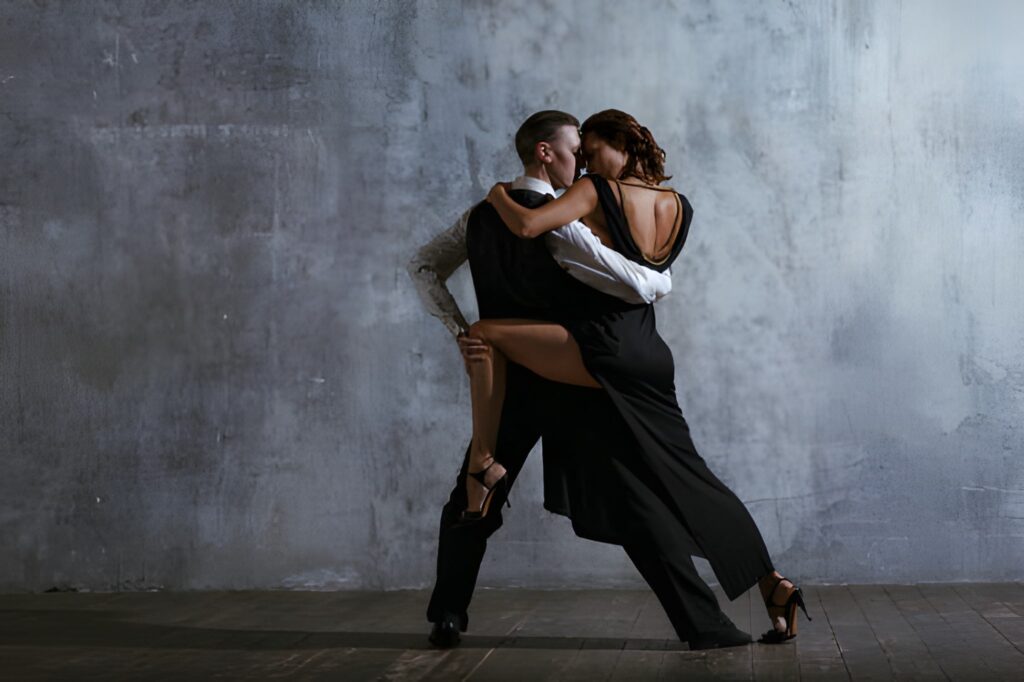
Understanding the four stages of learning transforms frustrating plateaus into recognizable phases and helps you persist through challenging periods toward eventual mastery.
Learning to dance follows predictable patterns that every student experiences. Understanding these stages—knowing where you are and what comes next—transforms your approach to the inevitable challenges.
The model presented here adapts Noel Burch’s “Four Stages of Learning a Skill” specifically for dance. Recognizing these stages normalizes your experience and provides strategies for each phase.
The Arthur Murray Curve of Learning
Dance learning doesn’t progress linearly. Instead, students move through distinct stages, each with its own character, challenges, and rewards. The curve includes periods of rapid progress, frustrating plateaus, and eventual breakthroughs.
Understanding this curve prevents discouragement during difficult phases and helps you appreciate the journey as a whole.
Stage 1: The Initial Stage (The Honeymoon Phase)
What It Feels Like
The Initial Stage brings excitement, optimism, and rapid visible progress. Everything feels new and fascinating. Even small accomplishments seem significant.
New students experience this during their first 10-20 lessons. Advanced dancers feel it again when starting new styles or learning new choreography. The freshness makes everything feel possible.
Characteristics:
- High enthusiasm and motivation
- Visible progress with each lesson
- Excitement about the dance world opening up
- Feeling special for trying something new
- Everything seems achievable
Why It’s Valuable
The honeymoon phase builds momentum that carries you through harder stages ahead. The positive emotions create associations between dancing and pleasure that sustain long-term commitment.
During this stage, your brain releases dopamine with each new skill acquired. This neurochemical reward reinforces dance learning and builds the habit foundation.
How to Maximize It
Build momentum intentionally. Strong foundational work during the honeymoon phase reduces struggle in subsequent stages. Don’t coast on enthusiasm—invest it in solid skill development.
Attend consistently. The motivation you feel now won’t last forever. Establish lesson habits while motivation is high, and those habits will sustain you when motivation wanes.
Document your starting point. Take videos of your early dancing. Later, when you feel stuck, these recordings demonstrate how far you’ve come.
Enjoy it. You’ll remember this stage fondly. Let yourself feel the excitement fully without cynicism about whether it will last.
Stage 2: The Awkward Use Stage
What It Feels Like
The Awkward Use Stage marks a significant shift. The easy progress of the honeymoon ends. You begin “dancing with your brain instead of your heart.”
This stage feels clumsy, frustrating, and discouraging. What came naturally before now requires conscious effort. You know more than you did, but somehow feel less capable.
Characteristics:
- Self-consciousness about your dancing
- Overthinking every movement
- Patterns that worked before now feel awkward
- Visible inconsistency—sometimes good, sometimes terrible
- Frustration with rate of improvement
- Questioning whether you’re meant to dance at all
The Danger Zone
This is the critical danger zone where self-doubt peaks and many students quit. The gap between what you know and what you can execute feels impossibly wide.
You understand proper technique intellectually but cannot produce it reliably. This cognitive-physical disconnect frustrates intensely.
What’s Actually Happening
Your brain is reorganizing. The initial patterns you learned are being refined and integrated into deeper understanding. This reorganization temporarily disrupts smooth execution.
Think of it like renovating a house while living in it. The construction phase creates mess and inconvenience, but the result will be better than before.
How to Navigate It
Schedule lessons closer together. Momentum matters more than ever during this stage. Extended gaps between lessons allow regression that compounds frustration.
Trust the process. Every dancer who reached competence passed through this stage. Your experience isn’t unique—it’s universal.
Focus on fundamentals. Return to basic patterns when advanced work feels impossible. Success with fundamentals reminds you that you can dance while your brain works on integration.
Accept inconsistency. Some days will feel great; others will feel terrible. This variation is normal and temporary.
Find encouragement. Share your struggles with fellow students at Practice Parties who understand. Their empathy and perspective help enormously.
Stage 3: The Conscious Use Stage
What It Feels Like
The Conscious Use Stage brings internal conflict. Your brain and body seem to war with each other as muscle memory develops. You can execute techniques, but only with full concentration.
Characteristics:
- Correct execution requires conscious attention
- Dancing feels effortful rather than natural
- Compliments from others feel undeserved
- You see your own mistakes more clearly than observers do
- Fatigue from mental concentration
- Glimpses of flow followed by collapse back into effort
The Mind-Body Battle
Your body is building new movement libraries while your mind works overtime to coordinate them. This process demands enormous mental energy.
You know you’re improving, but it doesn’t feel like improvement. External observers see progress you cannot perceive internally.
What’s Actually Happening
Muscle memory is forming. The conscious patterns you’re drilling are becoming automatic through repetition. But automation isn’t complete—you’re in the awkward middle where some things are automatic and others aren’t.
How to Navigate It
Let go of your conscious self and act on instinct. This Star Wars wisdom applies perfectly. When you’ve done the work in lessons, trust your body to execute. Overthinking at this stage creates the very mistakes you’re trying to avoid.
Accept compliments gracefully. Others see your dancing more accurately than you do. When they say you look good, believe them—or at least don’t argue.
Dance without mirrors sometimes. Constant self-observation feeds self-consciousness. Dance freely at Practice Parties without watching yourself to develop internal awareness.
Notice flow moments. Brief periods when dancing feels effortless preview what’s coming. Pay attention to what conditions created those moments.
Stage 4: The Natural Use Stage
What It Feels Like
The Natural Use Stage represents mastery—or at least functional mastery. Movement becomes spontaneous and creative. You dance without overthinking, maintaining execution even while conversing or dealing with unexpected situations.
Characteristics:
- Automatic execution of learned patterns
- Ability to focus on expression rather than technique
- Dancing while holding conversations
- Creative variation within familiar movements
- Genuine enjoyment of the dancing experience
- Confidence that doesn’t require conscious maintenance
The Butterfly Stage
This is the payoff of earlier struggle. The caterpillar has become a butterfly. The awkward chrysalis stage, with all its discomfort, produced something beautiful.
Watching Stage 4 dancers, earlier-stage students often assume natural talent rather than earned development. But Stage 4 results from passing through the earlier stages—there’s no shortcut.
What’s Actually Happening
Neural pathways have solidified. What once required conscious direction now happens automatically. Your brain has offloaded the mechanics to deeper processing, freeing conscious attention for higher-level concerns like musical interpretation and partner connection.
How to Maintain It
Continue challenging yourself. Stage 4 in one dance doesn’t mean Stage 4 in all dances. New challenges keep you engaged and growing.
Help others. Supporting students in earlier stages deepens your own understanding and maintains appreciation for how far you’ve come.
Refine rather than rest. Natural Use doesn’t mean perfect. There’s always room for improvement, even at mastery levels.
Stay humble. Every expert was once a beginner. Remembering your journey through earlier stages keeps you empathetic and grounded.
Moving Through the Stages
Stage Duration Varies
Some dancers move quickly through stages; others take longer. Neither pace is superior. What matters is continued movement rather than permanent stagnation.
Factors affecting progression speed:
- Lesson frequency and quality
- Previous movement experience
- Age and physical condition
- Learning style alignment with instruction
- Emotional resilience during difficulty
Regression Happens
Illness, absence, stress, or attempting too-difficult material can push you back to earlier stages. This regression is temporary. You rebuild faster than you built initially because the neural pathways remain, just needing reactivation.
Multiple Dances Mean Multiple Journeys
Each new dance style starts its own Stage 1. You can be Stage 4 in Waltz while Stage 2 in Salsa. This complexity requires patience with yourself as you navigate different places on different curves.
Recognizing Where You Are
Self-Assessment Questions
Initial Stage indicators:
- Am I excited after every lesson?
- Does everything feel new and interesting?
- Am I making visible progress consistently?
Awkward Use Stage indicators:
- Do I overthink every movement?
- Am I frustrated with my rate of improvement?
- Do I wonder if I’m meant to dance at all?
Conscious Use Stage indicators:
- Can I execute correctly only with full concentration?
- Do I see my mistakes more clearly than others do?
- Do I experience occasional moments of flow?
Natural Use Stage indicators:
- Can I dance while holding conversations?
- Does execution feel automatic?
- Do I focus on expression more than technique?
Frequently Asked Questions
How long does each stage typically last?
Duration varies enormously between individuals and dances. The Honeymoon Phase might last weeks to months. The Awkward Use Stage often extends longest—potentially years for complex dances. Conscious and Natural Use stages depend on lesson consistency and innate ability.
Can I skip stages?
Not really. Each stage provides necessary development for what follows. Attempting to skip stages usually results in returning to them later, often after harder lessons.
What if I’ve been stuck in one stage for years?
Extended plateaus usually indicate either insufficient lesson frequency, lessons without progression, or unaddressed fundamental issues. Consult with your instructor about specific strategies for breaking through.
Do professional dancers still experience these stages?
Professionals continually cycle through stages as they learn new choreography, explore new styles, or refine existing skills. Mastery in one area doesn’t eliminate the learning process in others.
Embracing the Journey
Understanding the four stages transforms your dance education experience. Instead of wondering what’s wrong when progress stalls, you recognize a normal phase. Instead of assuming struggle means inadequacy, you see development in process.
The curve of learning isn’t a problem to solve—it’s a path to travel. Each stage offers its own gifts and challenges. The Honeymoon brings joy; the Awkward Stage builds character; the Conscious Stage develops competence; the Natural Stage rewards persistence.
Your journey through these stages connects you to every dancer who came before. They struggled where you struggle. They persisted as you persist. They reached destinations that await you.
Keep dancing. Keep progressing. Trust the stages. If you want to accelerate your development, explore 7 ways to speed up your dance progress. For bronze-level dancers, the 5 rapid growth areas can help you move through the Awkward Use Stage more quickly.
Your Natural Use moment is coming. The only way to reach it is through the path that leads there.