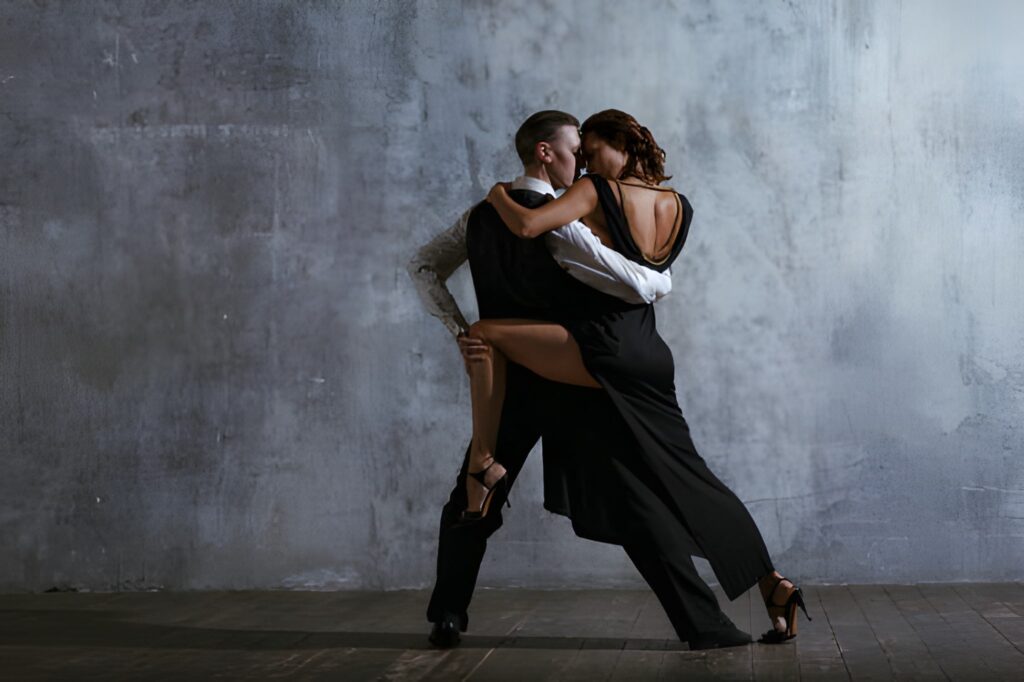

Wondering if you need a dance partner for social dancing lessons? Discover why solo dance students often progress faster and learn about the benefits of taking ballroom dance lessons on your own.
Learning to dance is one of the most rewarding hobbies you can pursue, but many people hesitate to take the first step because they believe they need a partner. This comprehensive guide will answer the common question: Do you need a partner for social dancing lessons?
FAQ: Do You Need a Partner For Social Dancing Lessons?
Answer: You do not need a partner for social dance lessons. While ballroom dancing can sometimes be referred to as “partner dancing”, learning social dancing does not require a partner to get started or to become proficient. In fact, many successful dancers begin their journey solo and discover tremendous benefits along the way.
You might also enjoy: Frightening Followers That Scare Off Social Dan…
You might also enjoy: Social Dance Partners Right Out of Horror Movies
You might also enjoy: Tips for Couples Starting Social Dance Lessons
Why You Don’t Need a Partner to Start Dancing
There are plenty of students who choose to learn to dance for themselves. In some cases, they have a spouse or significant other with different hobbies that take priority. Other times, they are single, looking for a fun and healthy hobby, and they choose ballroom dancing as their outlet for self-expression and fitness.
Regardless of your personal situation, a student without a partner works one-on-one with a professional instructor, and there are some distinct advantages to doing so. The personalized attention means your instructor can tailor every lesson to your specific needs, learning style, and goals.
The Professional Instructor Advantage
When you take dance lessons without a partner, you benefit from working directly with a trained professional who understands proper technique, body mechanics, and the nuances of each dance style. This foundation becomes invaluable whether you eventually dance socially with various partners or decide to bring a significant other into your dance journey later.
Benefits to Learning Social Dance on Your Own
Students who work one-on-one with a professional instructor progress faster, pure and simple. Why? Because the teacher can focus their instruction on one student and one role exclusively. This concentrated attention accelerates your learning curve significantly.
Faster Skill Development
When your instructor dedicates their full attention to you, they can immediately correct form issues, refine your technique, and ensure you’re building strong dance fundamentals. There’s no waiting while your partner receives instruction or trying to coordinate two learning paces simultaneously.
More Physical Activity
Solo dance students typically burn more calories during their lessons because they’re dancing continuously throughout the session. When two students share lesson time, each person naturally gets less active dance time. As a single student, you maximize every minute on the floor.
Simplified Scheduling
Juggling one calendar, as opposed to two, makes scheduling a smoother process. You don’t need to coordinate availability with another person, which means more flexibility in booking lessons around your work, family, and social commitments. This convenience often leads to more consistent lesson attendance and faster progress.
Focused Learning Environment
Without the dynamics of a partner relationship to navigate, you can focus entirely on your own development. There’s no frustration over different learning speeds or communication challenges during lessons. Your energy goes directly into mastering footwork, timing, and technique.
Common Misconceptions About Learning Dance on Your Own
Unfortunately, there are people who postpone, second guess, or never start with dance lessons because they’re operating with the wrong information. Here are some common misconceptions about pursuing a ballroom dance hobby on your own.
Misconception 1: You Need a Partner if You Want to Be Good
This assumption couldn’t be further from the truth. Those who are interested in pushing the limits of their dance skills and trying ballroom as a competitive hobby will typically do so as a single before doing so as an amateur couple. Many professional dancers began their careers learning solo, developing individual excellence before finding competitive partners.
The reality is that strong individual technique is the foundation of great partnership dancing. When you develop solid skills on your own first, you become a better partner for anyone you dance with in the future.
Misconception 2: Dangerous Romance
There are many would-be dancers who call off a potential dance hobby due to a misconception about romantic relationships developing between teacher and student. Regardless of what it may look like on Dancing with the Stars, at Arthur Murray Dance Studios, there is a strict no-fraternization policy that all professionals adhere to.
The focus for all lessons is consistent, whether working with singles, couples, or group classes: to make the learning process fun, quick, and easy. Professional boundaries are maintained to ensure a comfortable, productive learning environment for everyone. For more on this topic, check out 7 Arthur Murray Tools You May Not Be Using.
Misconception 3: Without a Partner, You’ll Never Use It
It may seem like ballroom dancing is a wasted activity without a partner to dance with outside of the studio. However, your dance studio has plenty of opportunities to put your skills to use.
Practice Parties at your local studio provide the perfect environment to dance with multiple partners in a social setting. These events give you the chance to apply what you’ve learned in lessons while dancing with students of various skill levels. It’s excellent practice and incredibly fun.
Group Classes offer another opportunity to dance with different partners while learning new patterns and techniques. You’ll meet fellow dance enthusiasts and expand your dancing circle naturally.
Think of hobbies like racquetball or basketball. You don’t need a partner or a team to enjoy the activity, but in the right environment, you can always enjoy a game with others. Ballroom dancing is no different. Studio events, social dances, and community dance venues all provide opportunities to use your skills.
Misconception 4: It’s Not Worth the Time If Your Spouse/Loved One Isn’t Involved
Even though it goes beyond the traditional definition of partner dancing, consider dancing like any other hobby. Can you find joy, stress relief, or other personal benefits from activities like painting, swimming, or exercising? Of course you can.
Social dancing is a hobby that offers all of these benefits and more, with or without a partner:
- Physical fitness and improved cardiovascular health
- Stress relief and mental relaxation
- Cognitive benefits from learning complex movements
- Social connection with a community of dancers
- Creative expression and artistic fulfillment
- Improved posture and body awareness
There’s absolutely nothing wrong with your spouse or loved one having their own hobbies and interests, and the same is true for you with dancing. Maintaining individual pursuits is healthy for any relationship.
Misconception 5: If You Learn on Your Own, Your Spouse Will Never Catch Up
This is a common misconception for singles and couples alike. The wonderful thing about partner dancing is that each side of the dance frame has their own set of priorities. The leader’s part is different from that of the follower’s, and therefore, any side of the partnership that excels in their role only makes things easier for the other.
When one partner develops strong technique, they actually make it easier for their partner to learn. A skilled leader provides clear, confident direction. A skilled follower responds with grace and sensitivity. Either way, individual excellence enhances the partnership rather than creating an imbalance.
Future Options for Solo Dancers
In some cases, dance lessons may not be of interest to a spouse or loved one until the other starts the process. Whether it’s discovering a new restaurant or trying a new bottle of wine, sometimes it takes the scouting work of one to truly convince the other.
Many students who begin taking lessons on their own eventually inspire their partners to join. Watching someone develop confidence, improve their fitness, and genuinely enjoy their hobby can be incredibly compelling. Your enthusiasm may be exactly what motivates a reluctant partner to give dancing a try.
Either way, at least one person is learning how to dance, but that doesn’t necessarily mean the solo journey is permanent. The skills you develop now will serve you well whether you continue dancing independently or eventually share the floor with someone special.
How Practice Parties Benefit Solo Dancers
One of the greatest resources available to students learning on their own is the Practice Party. These studio events are specifically designed to give students a chance to practice their skills in a social dance environment.
At Practice Parties, you’ll:
- Dance with multiple partners of varying skill levels
- Apply lesson material in a real social setting
- Build confidence in your dancing abilities
- Develop adaptability by adjusting to different partners
- Expand your social circle within the dance community
- Experience the joy of social dancing in a supportive environment
These events bridge the gap between private lessons and real-world dancing, ensuring that solo students get plenty of partner dancing experience without needing to bring their own partner.
Group Classes: Another Avenue for Partner Practice
Group Classes offer structured learning experiences where you rotate through different partners while learning new material. This format provides several advantages for solo students:
- Exposure to various leading and following styles
- Opportunity to reinforce lesson material
- Social interaction with fellow dance students
- Practice adapting to different partners’ heights, frame, and style
- Cost-effective way to increase practice time
The combination of private lessons, group classes, and practice parties creates a comprehensive learning experience that serves solo students exceptionally well.
Taking the First Step
If you’ve been waiting for the “right partner” to start dancing, consider that the right time might be now, regardless of your relationship status. The benefits of dance lessons extend far beyond the dance floor, including improved confidence, better physical fitness, stress relief, and a vibrant social community.
Many of our most accomplished students began their dance journeys alone and discovered that solo learning gave them advantages they never expected. The personalized attention, flexible scheduling, and focused development they experienced as single students created a strong foundation for all their future dancing.
Frequently Asked Questions
Can I take ballroom dance lessons without a partner?
Many students take dance lessons on their own and work one-on-one with professional instructors. Solo students often progress faster because they receive focused attention during every lesson.
Will I have opportunities to dance with partners if I learn alone?
Yes! Dance studios offer Practice Parties and Group Classes where you can dance with multiple partners in a social setting. These events give you plenty of partner dancing experience without needing to bring your own partner.
Is it awkward to take dance lessons by myself?
Not at all. Solo students are common at dance studios, and instructors are trained to work effectively with individuals. The studio environment is welcoming and supportive of students at all levels and in all situations.
Can my spouse join me later if they decide they want to learn?
Definitely! Many students who begin solo eventually inspire their partners to join. The great thing about partner dancing is that each role is distinct, so developing your skills first actually makes it easier to dance with a partner later.
How do Practice Parties work for solo dancers?
Practice Parties are social dance events where everyone dances with everyone. You’ll rotate through multiple partners throughout the evening, practicing your skills in a fun, supportive environment. It’s one of the best ways for solo students to gain partner dancing experience.
What dances can I learn as a single student?
You can learn all the same dances that couples learn, including Foxtrot, Waltz, Tango, Rumba, Cha-Cha, Swing, Salsa, and more. Your instructor will teach you your role (leader or follower) and you’ll practice with them during lessons.
Ready to start your dance journey? Contact your local Arthur Murray Dance Studio to schedule your first lesson. Whether you come alone or with a partner, we’re here to help you discover the joy of dancing.