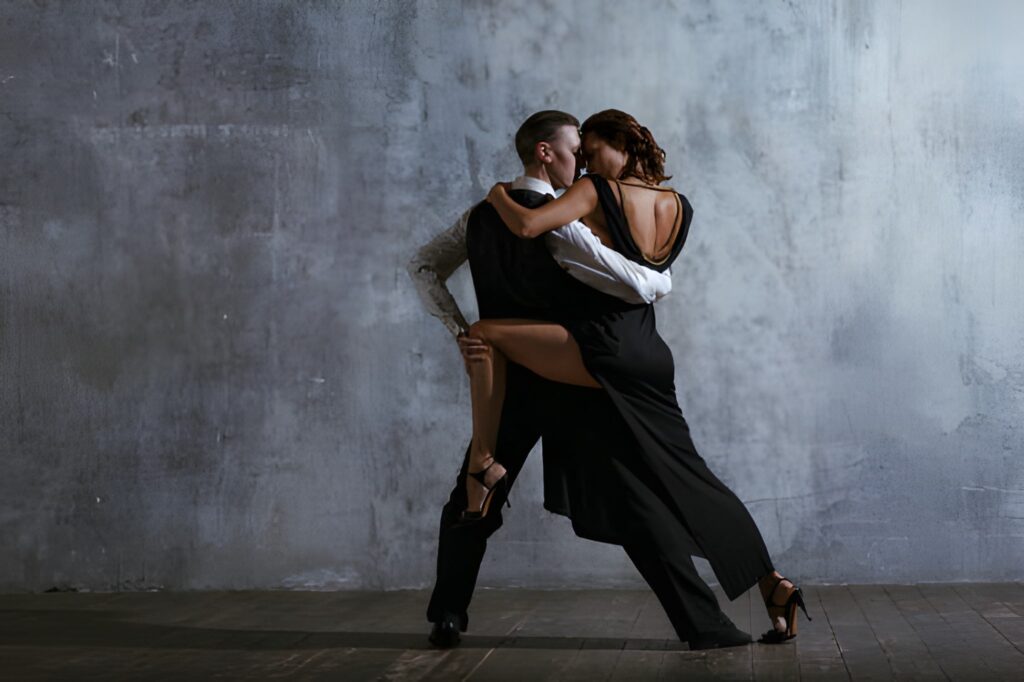

Every Arthur Murray dance curriculum contains hidden treasures—elements that accelerate learning and deepen understanding when discovered.
Like Easter eggs in movies or hidden Mickeys at Disneyland, these program gems reward those who look beyond the obvious. Whether you stumble upon them accidentally or seek them intentionally, these hidden gems transform your dance education from ordinary to exceptional.
What Makes Something a Hidden Gem?
Hidden gems share certain characteristics:
- Easily overlooked: They don’t announce themselves prominently
- Disproportionately valuable: Their benefit exceeds their apparent importance
- Universally applicable: They enhance all your dancing, not just specific patterns
- Discovery-rewarding: Finding them creates satisfying “aha” moments
Some students dance for years without discovering these treasures. Others find them early and accelerate their development. This guide helps you become a treasure hunter rather than leaving discoveries to chance.
The 11 Hidden Gems
1. Teaching Aids
Where to Find Them: Look at the center and bottom of every dance page in your curriculum materials.
What They Are: These primers focus on essential skills that underlie successful pattern execution. Levels 1-2 Teaching Aids appear in the center section of dance pages; levels 3-4 are found at the bottom.
Why They Matter: Teaching Aids address the “how” behind the “what.” While patterns tell you which steps to take, Teaching Aids develop the technique that makes those steps effective.
For example, a follow-through Teaching Aid might focus on completing your weight transfer before initiating the next step. This single concept transforms your Foxtrot from choppy to smooth.
How to Use Them:
- Ask your instructor to incorporate relevant Teaching Aids into your lessons
- Practice Teaching Aid concepts during your warm-ups
- Apply Teaching Aid principles to patterns you already know
- Review Teaching Aids periodically as reminders of fundamentals
2. The 28-Point Teaching System
Where to Find It: Check the second or third page of your dance binders.
What It Is: A comprehensive breakdown of dance fundamentals organized into 28 specific elements covering technique, style, and progression across all levels.
Why It Matters: The 28-Point System clarifies exactly what you’re learning and why. It removes mystery from the curriculum, showing you how each element builds toward mastery.
Understanding this system helps you:
- Set specific improvement goals
- Recognize where challenges originate
- Appreciate how different elements connect
- Track progress objectively
How to Use It: Review the 28 Points with your instructor. Identify which elements you’ve developed and which need attention. Use the system as a roadmap for your dance education rather than wandering without direction.
3. The Arthur Murray Turn
Where to Find It: Bronze 1 Waltz curriculum.
What It Is: A turning pattern that employs a forward hesitation instead of the standard box step approach.
Why It Matters: This pattern teaches crucial floor navigation skills. Instead of executing turns blindly, you learn to:
- Maintain awareness of surrounding dancers
- Adjust turn radius based on available space
- Lead more clearly through directional preparation
- Recover smoothly when space becomes limited
How to Use It: Practice the Arthur Murray Turn until its principles become automatic. Then apply those principles to turns in other dances. The awareness and control you develop transfer universally.
On crowded social dance floors, this gem separates confident navigators from dancers who constantly collide with others.
4. The Magic Right Turn
Where to Find It: Bronze 1 Foxtrot curriculum.
What It Is: A pattern teaching backward movement combined with rightward rotation.
Why It Matters: The Magic Right Turn seems basic—it appears in the earliest curriculum level. But it introduces concepts essential for advanced patterns in Bronze 3 and beyond.
This pattern teaches:
- Controlling backward momentum while turning
- Maintaining frame during rotational movement
- Leading direction changes clearly
- Recovering balance through rotation
Students who master the Magic Right Turn early find advanced Foxtrot dramatically more accessible.
How to Use It: Don’t rush past this pattern to reach “more interesting” material. Invest time in perfecting the Magic Right Turn. Practice it until the concepts feel effortless. Then recognize these same concepts when they reappear in advanced patterns.
5. La Puerta and Triple Fans
Where to Find Them: Bronze 2 Tango curriculum.
What They Are: Challenging patterns involving swiveling actions that develop hip and foot coordination.
Why They Matter: La Puerta presents significant difficulty for many students—the swiveling action feels foreign and demanding. But this challenge builds capabilities applicable throughout Latin dancing.
The Triple Fans variation offers an easier entry point because it begins in promenade position, reducing the coordination required initially.
How to Use Them: If La Puerta frustrates you, ask your instructor about Triple Fans as an alternative approach. Once you develop the swiveling action through Triple Fans, return to La Puerta with improved capability.
Use these patterns as skill-building exercises, not just choreographic content. The swiveling action they develop appears throughout advanced Latin curriculum.
6. Merengue
Where to Find It: Often introduced early in Latin training.
What It Is: A simple dance where 8 beats equal 8 steps—the most direct timing relationship in partner dancing.
Why It Matters: Merengue’s simplicity is its power. Because the footwork is so straightforward, you can focus attention on:
- Pattern transitions
- Directional changes
- Lead-follow communication
- Hip motion and body movement
Concepts learned in Merengue transfer directly to Cha-Cha, Salsa, and Samba.
How to Use It: When learning a complex pattern in another dance, try it first in Merengue timing. Removing the rhythmic challenge isolates the other skills. Once you’ve mastered the pattern in Merengue, add the original dance’s rhythmic complexity.
7. Argentine Tango
Where to Find It: Specialty curriculum at many Arthur Murray studios.
What It Is: An improvisational dance emphasizing non-verbal communication between partners.
Why It Matters: Argentine Tango develops lead-follow skills more intensely than any other dance. Without pre-choreographed patterns, leaders must communicate each moment clearly. Followers must develop heightened receptivity to subtle signals.
These skills transfer to every social dance:
- Clearer leading in choreographed patterns
- More responsive following
- Deeper connection with partners
- Greater musicality through improvisation
How to Use It: Ask your instructor about Argentine Tango training. Even a few lessons develop sensitivity that improves all your partner dancing. The investment pays dividends across your entire dance experience.
8. Coaching Lessons
Where to Find Them: Available at most Arthur Murray studios, featuring visiting consultants and expert instructors.
What They Are: Intensive sessions with specialists who offer perspectives beyond your regular instructor’s approach.
Why They Matter: Different instructors see different things. A coaching lesson might identify a technique issue your regular instructor hasn’t noticed—not because they missed it, but because fresh eyes catch different details.
Coaching lessons provide:
- Expert attention to choreography and routine development
- Polish for competition or showcase preparation
- Solutions to persistent challenges
- Inspiration through exposure to different teaching styles
How to Use Them: Schedule coaching lessons periodically throughout your dance education. They’re especially valuable before major events, when encountering persistent plateaus, or when ready to advance to new levels.
9. The Magic Step
Where to Find It: Bronze 1 Foxtrot curriculum.
What It Is: A fundamental pattern designed to enable conversation while dancing.
Why It Matters: The Magic Step teaches rhythm and movement that allow social interaction during dance. This seemingly simple goal develops:
- Automatic footwork that doesn’t require conscious attention
- Stable frame maintenance
- Consistent timing
- Confident floor navigation
These skills underlie effective social dancing in every style.
How to Use It: Practice the Magic Step until you can genuinely hold conversations while dancing it. This level of automaticity should be your goal for all basic patterns. The Magic Step shows you what that feels like.
10. The Back Side
Where to Find It: The reverse side of every dance chart page.
What It Contains: Historical background, characteristics, and music recommendations for each dance style.
Why It Matters: Understanding a dance’s history and character enhances your execution. Knowing that Foxtrot emerged from vaudeville performer Harry Fox’s trotting movements helps you embody its smooth, theatrical quality. Understanding Rumba’s Cuban origins informs its sensual character.
The music recommendations expand your practice options and help you recognize appropriate songs for each dance style.
How to Use It: Flip the page. Read the historical and characteristic information before learning a new dance. Return to it periodically as your understanding deepens. Use the music recommendations to build your practice playlist.
11. Construction Patterns
Where to Find It: Observe the structure of dance charts across levels.
What It Is: Dance curriculum follows deliberate organizational patterns:
- Odd-numbered levels (1, 3): Three patterns focusing on skill quantity—building vocabulary
- Even-numbered levels (2, 4): Two patterns focusing on skill quality—refining execution
Why It Matters: Understanding this structure helps you approach each level appropriately:
- In odd levels, focus on learning new material
- In even levels, focus on polishing existing skills
- Recognize that feeling “stuck” in even levels is part of the design
- Appreciate the rhythm of acquisition and refinement
How to Use It: Adjust your expectations and practice approach based on whether you’re in an odd or even level. Don’t expect constant new pattern learning—some periods emphasize quality over quantity. Trust the structure even when it feels frustrating. For a deeper understanding of how the levels work, see our guide to unlocking the Bronze level mystery.
The Treasure Hunter’s Mindset
Active Versus Passive Learning
Passive students wait for instructors to present everything explicitly. Active students explore their curriculum materials, ask questions, and seek connections between different elements.
The hidden gems reward active learners. They exist for everyone, but only treasure hunters find them consistently.
Curiosity as Accelerator
Approach your Arthur Murray program with curiosity:
- What’s on the back of this page?
- How does this pattern connect to what I learned last month?
- What Teaching Aids apply to my current challenge?
- Who offers coaching lessons and when?
Each question potentially uncovers valuable content that accelerates your development.
Sharing Discoveries
When you find a hidden gem, share it with fellow students. The dance community thrives when treasure hunters help each other. Your discovery might unlock someone else’s breakthrough.
Additional Hidden Resources
Studio Practice Time
Many Arthur Murray studios offer practice time outside of formal lessons. These sessions provide:
- Floor time without lesson pressure: Practice what you’ve learned without worrying about using paid lesson time
- Social dancing opportunity: Apply skills with various partners
- Muscle memory development: Repetition builds automaticity
- Confidence building: Low-stakes practice prepares you for events
Ask your studio about available practice opportunities. This resource often goes underutilized.
Group Lessons
Beyond individual instruction, most studios offer group lessons covering various topics:
- Technique workshops: Focused sessions on specific skills
- New dance introductions: Sample dances before committing to full study
- Party preparation: Learn popular patterns for upcoming social events
- Specialty topics: Advanced concepts for experienced students
Group lessons provide different learning dynamics than private instruction. Some concepts click better in group settings where you observe multiple students working through the same challenges.
Studio Events Calendar
Your studio maintains an events calendar beyond the major events discussed earlier. Regular studio parties, seasonal celebrations, and special themed nights provide:
- Consistent practice opportunities: Regular dancing builds skills faster than lessons alone
- Community connection: Get to know fellow students in social settings
- Performance practice: Low-pressure opportunities to apply what you’re learning
- Fun: Remember that dancing should be enjoyable, not just educational
Check your studio’s calendar weekly. Valuable opportunities often appear with short notice.
Frequently Asked Questions
Should I focus on hidden gems or regular curriculum?
Both. Hidden gems enhance regular curriculum rather than replacing it. Think of gems as supplements that increase the value of your standard learning.
Do all Arthur Murray locations have the same hidden gems?
The curriculum is standardized, so most gems exist everywhere. However, specific offerings like coaching lessons vary by location. Ask your studio about available options.
Can beginners access these hidden gems?
Many gems are available immediately. Teaching Aids, back page content, and Merengue appear in early training. Others become accessible as you progress. Start with what’s available now.
How often should I review hidden gem content?
Periodically revisit gems throughout your dance journey. Content that seems basic early on reveals deeper meaning as you advance. Review the 28-Point System quarterly; reread dance history annually.
What if my instructor hasn’t mentioned some of these gems?
Instructors can’t cover everything in every lesson. Ask about specific gems that interest you. Most instructors welcome students who engage actively with curriculum materials.
Your Treasure Hunt Begins
Your Arthur Murray program contains more value than surface appearances suggest. The hidden gems await discovery—in your curriculum materials, in specialized lesson offerings, in the very structure of how dances are organized.
Start your treasure hunt today. Flip those pages. Ask those questions. Explore those specialty offerings. Each discovery enriches your dance education and accelerates your journey toward the dancer you’re becoming.
The treasures are there. Now go find them.