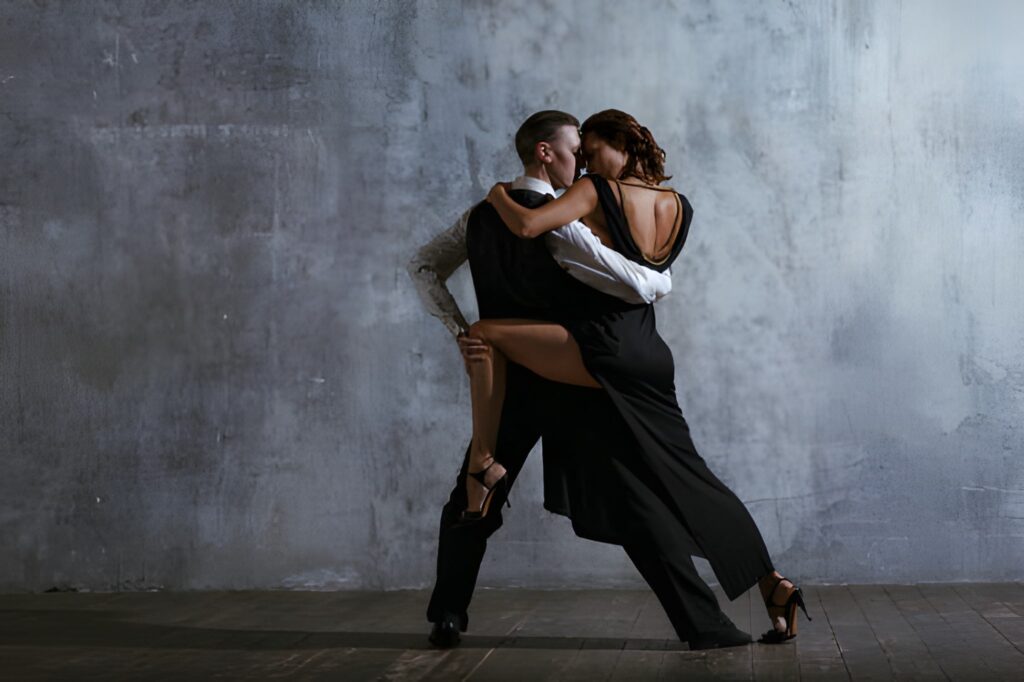
How a Gap commercial sparked a dance revolution and reminded a generation that partner dancing was genuinely cool.
In 1998, a clothing advertisement did something remarkable: it reignited American passion for swing dancing. The Gap’s iconic khakis commercial, featuring energetic swing dancers, triggered a cultural phenomenon that packed dance studios, revived vintage fashion, and reminded a generation that partner dancing was genuinely cool.
Understanding this moment reveals how dance movements emerge, spread, and leave lasting influence on culture long after initial trends fade.
The Commercial That Changed Everything
Gap’s Marketing Revolution
When Michael McCadden joined Gap as executive vice president of marketing in August 1996, he faced a challenge: reinventing the khaki. The casual pant had become invisible—ubiquitous but unremarkable.
McCadden’s team developed a comprehensive strategy: “reinvent khakis, from the TV spots to the big walls, to the window marketing.” The approach needed something attention-grabbing, something that made khakis feel fresh and exciting.
The solution was swing dancing.
The Commercial Itself
Matthew Rolston choreographed the 1998 commercial, which featured young dancers in khakis executing classic swing movements—aerials, swingouts, and the joyful energy that characterized the original swing era.
The commercial struck cultural lightning. It positioned khakis not as boring workplace necessities but as clothing for active, fun, attractive people doing something exciting together.
Why It Worked
Several factors created the commercial’s impact:
- Visual novelty: Most 1998 audiences had never seen authentic swing dancing. The movements looked fresh and impressive.
- Music selection: The period-appropriate soundtrack evoked nostalgia while feeling modern.
- Youth appeal: Young dancers in contemporary styling made swing accessible rather than antiquated.
- Joy factor: The dancers’ obvious enjoyment created aspirational appeal—viewers wanted to experience that feeling.
The Swing Dance Boom
Immediate Impact
Almost overnight, swing and Lindy Hop clubs were packed. Dance studios that had rarely filled swing classes suddenly couldn’t accommodate demand. Waiting lists formed for beginner courses.
The phenomenon extended beyond dancing:
- Fashion: Vintage-inspired clothing surged in popularity—derby hats, two-toned shoes, suspenders, and full skirts appeared at department stores
- Music: Swing revival bands like Big Bad Voodoo Daddy and Cherry Poppin’ Daddies achieved mainstream success
- Film: The 1998 movie “Swing Kids” capitalized on the trend; swing scenes appeared in major productions
A Return to Partner Dancing
The swing boom represented something culturally significant: a return to social, partnered dancing after decades of solo club dancing.
People asked people to dance, politely. Physical connection replaced isolation. Conversation happened between songs. Dance floors required navigation rather than individual space claims.
This marked a dramatic contrast with the nightclub dancing of the preceding decades, where physical separation and loud music prevented the social connections swing demanded.
The Dance Version of the Baby Boom
One commentator described the swing revival as “the dance version of the baby boom”—a massive population surge into dance studios and social dance floors.
The Gap commercial didn’t create swing dancing’s appeal; it revealed latent desire. Americans wanted to connect through movement, to learn skills that enabled social interaction, to experience the joy of partner dancing. The commercial simply demonstrated that such experience was accessible.
Why Swing Connected with Late-90s Culture
Nostalgia in Uncertain Times
The late 1990s combined technological uncertainty (Y2K anxiety) with general prosperity. This environment creates nostalgia cycles—people reaching back to perceived simpler times for comfort.
Swing dancing evoked the 1940s, a period now romanticized as unified, elegant, and joyful despite its actual hardships. The aesthetic appealed to those seeking escape from 90s uncertainty.
Reaction Against Club Culture
By 1998, mainstream nightclub culture had grown formulaic: loud electronic music, isolated dancing, substance-fueled atmospheres. Swing offered an alternative:
- Skill-based: You could actually learn something and improve
- Social: Dancing required cooperation and communication
- Multigenerational: Swing floors included dancers from 20 to 70
- Substance-free: Most swing venues focused on dancing, not drinking
For many, swing felt refreshingly wholesome without being boring.
Physical Activity That Felt Like Fun
The fitness movement of the 80s and 90s had made exercise feel like obligation. Swing dancing offered genuine exercise—cardiovascular conditioning, strength, flexibility—packaged as pure enjoyment.
Students arriving for swing lessons often forgot they were also getting one of the best workouts available. The joy masked the exertion.
What Happened to the Swing Boom?
Natural Cycle of Trends
Like all cultural phenomena, the swing boom peaked and receded. By the early 2000s, the intense mainstream attention had faded. Gap moved on to other campaigns. Big Bad Voodoo Daddy’s radio play diminished.
But the movement didn’t disappear—it stabilized at a sustainable level that continues today.
Salsa’s Ascendance
As swing’s viral moment faded, salsa emerged as the dominant partner dance. Latin rhythms connected with growing Hispanic cultural influence in American music and entertainment.
Salsa offered similar benefits to swing—partner connection, skill development, social community—with different aesthetics and cultural associations.
Swing’s Enduring Legacy
Despite salsa’s current dominance, swing remains one of the most versatile social dances. Its adaptability explains its persistence:
- Music flexibility: Swing works with pop, rock, blues, country, and contemporary music—not just big band
- Dress code adaptability: From jeans to formal wear, swing fits any setting
- Speed range: Swing patterns work at tempos from slow ballads to energetic rockers
- Social utility: Every social dance floor includes swing-friendly music
The Broader Influence
Gateway to Partner Dancing
The swing boom introduced partner dancing to people who would later explore other styles. Many current ballroom, Latin, and country dancers trace their origin to 1998’s swing explosion.
The Gap commercial’s greatest legacy may be demonstrating that partner dancing was cool—removing stigma that had accumulated during solo-dancing decades.
Dance Studio Renaissance
Arthur Murray and other dance studios experienced enrollment surges during the swing boom that never fully receded. Students who arrived for swing often discovered interest in Waltz, Foxtrot, Tango, and other styles.
The infrastructure built during this period—studio locations, instructor training programs, social dance events—continues serving students today.
Cultural Permission
Perhaps most importantly, the swing boom gave cultural permission to dance. It demonstrated that ordinary people, not just professionals or the exceptionally talented, could learn partner dancing and enjoy it.
This permission extended beyond swing to all partner dance forms. The idea that “dancing is for everyone” gained ground during this period.
Swing Dancing Today
Where to Find It
Active swing communities exist in most major cities. Weekly social dances, workshop weekends, and annual festivals bring dancers together. Online communities connect enthusiasts globally.
Arthur Murray studios teach swing as part of comprehensive dance education, integrating it with other styles that create well-rounded social dancers.
What’s Different Now
Today’s swing scene differs from 1998’s boom:
- More authentic: Greater connection to Lindy Hop’s African American roots and historical accuracy
- Better technique: Decades of instructor development have improved teaching methods
- Global community: International exchanges and online learning expand the community worldwide
- Specialized niches: Various swing styles (East Coast, West Coast, Lindy Hop, Balboa) have developed dedicated followings
Getting Started
Beginning swing dancing today is easier than in 1998. Resources include:
- Local Arthur Murray studios offering structured curriculum
- Community swing organizations with beginner nights
- Social dances welcoming newcomers
- Online tutorials supplementing in-person learning
Frequently Asked Questions
What kind of swing dancing was in the Gap commercial?
The commercial featured primarily Lindy Hop with some East Coast Swing elements—high-energy swing styles with aerials and flashy moves.
Is the music from the commercial still used for swing dancing?
“Jump, Jive, an’ Wail” by Louis Prima became associated with the commercial and remains a swing dance standard, though contemporary swing dancing uses a much wider music range.
Can I learn swing dancing as a complete beginner?
Absolutely. Swing is one of the most beginner-friendly partner dances. Basic patterns are accessible in the first lesson, with complexity developing over time.
Is swing dancing good exercise?
Excellent exercise. Swing provides cardiovascular conditioning, builds core strength, improves balance, and develops coordination—all while feeling like pure fun.
How is swing dancing different from what I see on Dancing with the Stars?
Ballroom competitions feature highly stylized swing with specific technical requirements. Social swing dancing is more relaxed and adaptable, focusing on connection and musicality rather than performance elements.
What should I wear to a swing dance?
Comfortable clothing allowing movement. Shoes with smooth soles that allow pivoting. Vintage-inspired attire is appreciated but not required—jeans and a comfortable shirt work fine.
The Lesson of the Khakis
A clothing commercial’s unlikely spark ignited a dance revolution. Millions discovered the joy of moving with partners, connecting through music, and building skills that last a lifetime.
The swing boom teaches us that latent desires await activation. Americans wanted to partner dance; they just needed permission and inspiration. A 30-second commercial provided both.
Today’s dancers inherit that legacy. Whether you’re drawn to swing specifically or partner dancing generally, you’re part of a movement that transformed American social dance culture.
The khakis may have faded from fashion memory, but the dancing they inspired continues—and awaits your participation.
Ready to join the swing legacy? Find your local Arthur Murray studio and discover why a clothing commercial changed everything. To understand the different swing styles available today, see our guide to East Coast vs West Coast Swing or read our interview with swing expert Christian Perry.