The Ultimate A-to-Z Guide to Arthur Murray Dance Studios
You’ve heard about Arthur Murray. Maybe a friend mentioned it, or you drove past the studio, or you’ve been secretly watching Dancing with the Stars and wondering if you could learn to move like that. Here’s the thing – there’s a lot more happening inside those studio doors than you might expect.
This guide breaks down everything from A to Z. In fact, whether you’re considering your first lesson or you’ve been dancing for years, there’s something here for everyone.
A – Arthur Murray Himself
The name on the building isn’t just marketing. Arthur Murray was a real person who revolutionized how the world learns to dance. He started teaching in the 1920s and built a system that’s now taught in over 260 studios worldwide. His original insight? Everyone can learn to dance – it just takes the right approach and a good teacher.
B – Ballroom Dancing
What exactly is ballroom dancing? It’s an umbrella term covering smooth dances (Waltz, Tango, Foxtrot, Viennese Waltz), rhythm dances (Cha-Cha, Rumba, Swing, Mambo, Bolero), and Latin dances (Salsa, Bachata, Merengue). You don’t need to learn them all – but you might want to once you get started.
C – Cha-Cha
The Cha-Cha is often one of the first dances students learn, and there’s a good reason for that. It’s energetic, fun, and the timing is distinct enough that you’ll hear it in songs everywhere once you know what to listen for. Spoiler alert – you’ll never listen to music the same way again.
D – Dancer (Yes, You)
Here’s something your comfort zone voice doesn’t want you to hear: You’re already a dancer. You just haven’t unlocked it yet. Every person who walks through those studio doors – regardless of age, background, or rhythm – becomes a dancer. It’s not about talent. It’s about showing up.
E – Exercise (The Fun Kind)
Dancing burns 200-400 calories per hour, improves cardiovascular health, and strengthens muscles you didn’t know you had. But here’s what makes it different from the gym – it doesn’t feel like exercise until you’re done. You’re too focused on the music, the movement, and your partner to notice you’re working out.
F – Fun
This might sound obvious, but it’s worth stating: Dancing is supposed to be fun. In fact, if you’re not enjoying yourself, something’s off. The best Arthur Murray studios prioritize creating an atmosphere where laughter is as common as Latin music.
G – Group Classes
Private lessons get personalized attention, but group classes offer something different – practice with multiple partners, exposure to other students at various levels, and a social atmosphere that makes learning feel like a party. Most programs combine both for the best results.
H – Happy
One of the first things friends and family notice about new dancers isn’t their moves – it’s how happy they seem. There’s science behind this (dopamine, serotonin, endorphins), but you don’t need a chemistry degree to feel the shift. Dancing just makes people happier.
I – Instructors
Arthur Murray instructors go through extensive training before they teach their first student. They’re certified in technique, teaching methodology, and (this matters more than you’d think) understanding how adults learn. Your instructor becomes your guide, your coach, and often your friend.
J – Joy
Joy and happiness aren’t the same thing. Happiness is a mood. Joy is deeper – it’s the feeling you get when you nail a move you’ve been working on for weeks, or when you dance at a wedding and people stop to watch. Dancing creates moments of genuine joy.
K – Kinesthetic Learning
Some people learn by reading. Some learn by watching. Dancers learn by doing – that’s kinesthetic learning. If you’ve ever struggled in traditional classroom settings, you might thrive on the dance floor. Your body learns even when your brain is still catching up.
L – Lessons (Private and Group)
Private lessons are one-on-one with your instructor. You get undivided attention, personalized feedback, and a pace that matches your learning style. Group classes add variety and social practice. The magic formula? Both. Together they accelerate your progress faster than either alone.
M – Me-Time
When was the last time you did something just for yourself? No kids, no work, no obligations – just you, learning something new and enjoying the process. Dance lessons become sacred “me-time” for many students. It’s an hour where the outside world waits at the door.
N – Nervous (It’s Normal)
If you’re nervous about your first lesson, congratulations – you’re completely normal. In fact, nearly every student walks in nervous and walks out smiling. Your instructors know this. They’ve seen it thousands of times. That nervous energy transforms into excitement faster than you’d expect.
O – OMG Moments
Every dancer has them – those moments where something clicks and you think “OMG, I just did that.” Maybe it’s your first spin. Maybe it’s leading a partner through a pattern you learned last week. These moments become addictive (the good kind of addictive).
P – Practice Parties
Practice parties are studio events where students dance with each other, instructors, and sometimes guests from other studios. They’re low-pressure, social, and essential for building your dance confidence. Think of them as the bridge between lessons and real-world dancing.
Q – Questions (Ask Them)
There are no dumb questions in ballroom dancing. Why does this step go here? What’s the difference between Rumba and Bolero? How do I know when to turn? Good instructors welcome questions – they’re a sign you’re engaged and thinking about what you’re learning.
R – Rumba
The Rumba is called the “dance of love” – and once you learn it, you’ll understand why. It’s slower, more romantic, and incredibly expressive. Safe to say it’s one of the most requested wedding dances for a reason.
S – Students (Your New Community)
Here’s something that surprises new dancers: You’re joining a community. Other students at your studio become friends, practice partners, and fellow travelers on this journey. Some studios feel like social clubs that happen to teach dancing. That’s not an accident.
T – Timing and Rhythm
“But I have no rhythm!” – said almost every new student ever. Here’s the reality: Rhythm can be taught. Timing can be learned. Your instructors have tools, techniques, and patience to help you find the beat. Don’t let this fear keep you from starting.
U – Understand (Your Learning Style)
Everyone learns differently. Some students need to see a move demonstrated. Others need to feel it themselves. Some want the technical explanation, while others prefer “just let me try it.” Good instructors adapt to your style – but you can help by communicating what works for you.
V – Variety
Bored? Not possible. There are dozens of dances to learn, each with its own music, styling, and personality. Just when you think you’ve got the Foxtrot down, you discover the Viennese Waltz. Just when you master the Cha-Cha, the Salsa calls your name. Variety is built into the program.
W – Waltz
The Waltz is often the first smooth dance students learn. It’s elegant, flowing, and – here’s the secret – easier than it looks. The basic step is simple. The timing is consistent. And once you’ve got it, you can dance at any formal event for the rest of your life.
X – X-Factors (What Makes You Unique)
Every dancer brings something different to the floor. Your background, personality, and even the way you hear music will shape your dancing style. The goal isn’t to dance exactly like everyone else – it’s to find your own X-factor and let it shine.
Y – Yesterday (Leave It There)
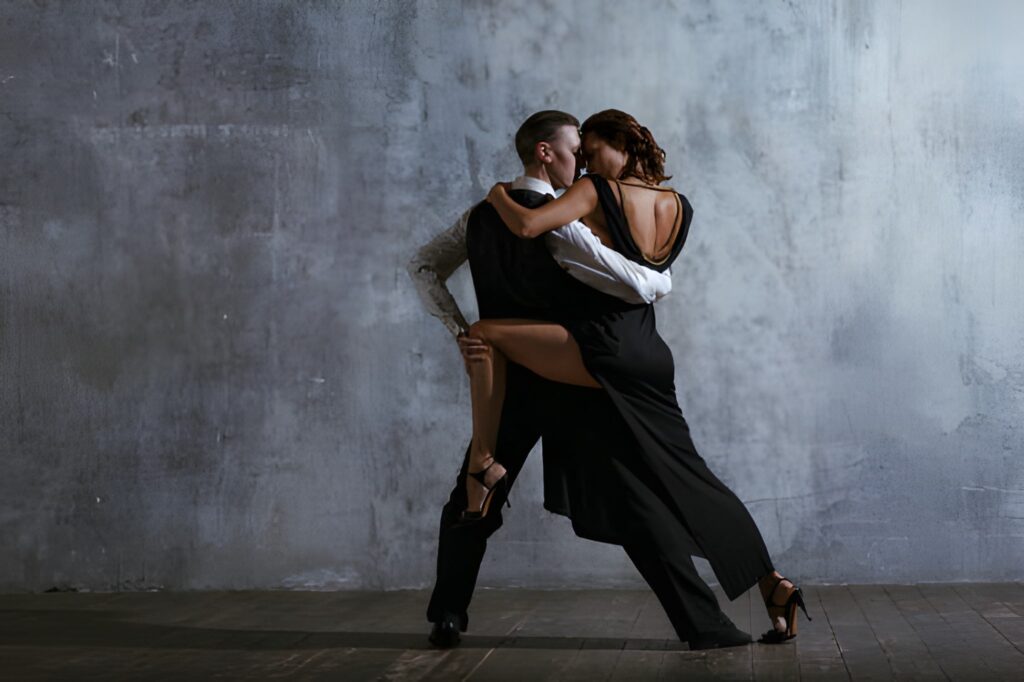
Bad day at work? Frustrating commute? Family drama? Leave it at the studio door. One of dancing’s superpowers is its ability to pull you into the present moment. You can’t worry about yesterday when you’re focused on a Tango sequence. It’s meditation in motion.
Z – Zen State
Many dancers describe a “zen state” that happens during lessons – a feeling of calm focus where time seems to disappear. Your mind quiets. Your body moves. The music carries you. It’s that “depressurized feeling” that students often mention when describing why they keep coming back.
Ready to Start Your A-to-Z Journey?
Every letter in this guide represents something real that happens at Arthur Murray studios around the world. The question isn’t whether these benefits exist – it’s whether you’re ready to experience them yourself.
Your comfort zone voice might be listing reasons to wait. Ignore it. The best dancers started exactly where you are right now – curious, maybe a little nervous, and ready for something new.
Just show up. The rest will follow.