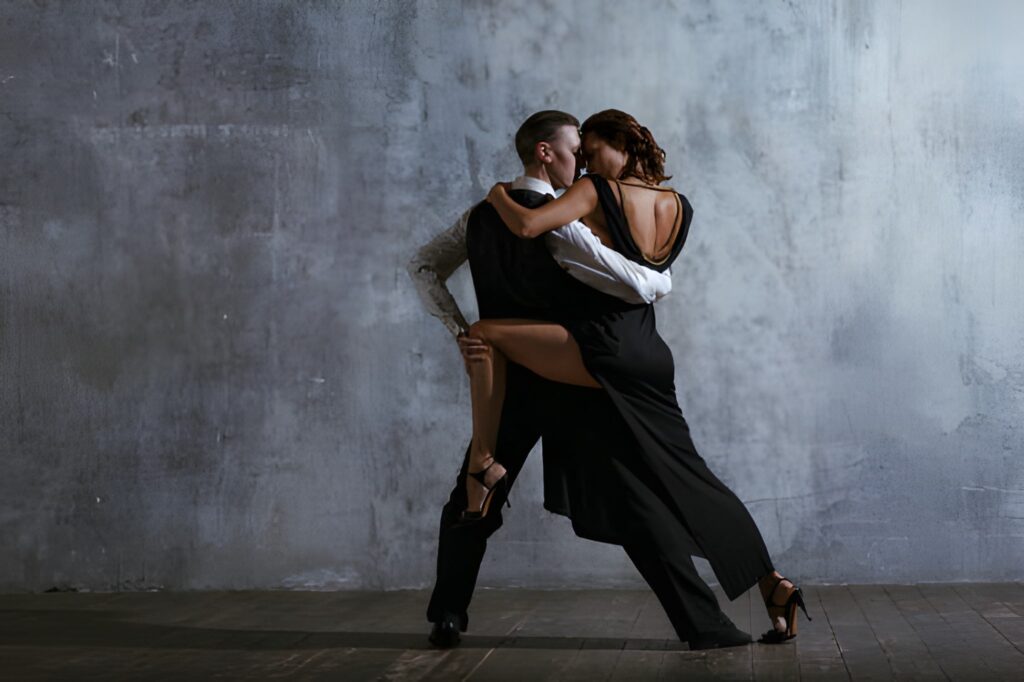
Sun Tzu wrote “The Art of War” roughly 2,500 years ago. He was advising generals on military strategy, not dancers on competition preparation. Yet his principles translate surprisingly well to the dance floor.
Competition isn’t literal warfare. But it is strategic. And the mental approach that wins battles often wins dance events too.
Here are seven Sun Tzu principles applied to dance competition – tactical wisdom that can transform how you prepare and perform.
1. “Appear Weak When You Are Strong”
Sun Tzu’s meaning: Don’t reveal your capabilities to opponents. Let them underestimate you. The element of surprise is an advantage.
Dance translation: Your preparation happens off the floor. Nobody sees your practice hours. Nobody knows what you’ve been working on. When you step onto the competition floor, you can surprise – the judges, the audience, even yourself.
This principle cuts both ways. Don’t advertise your preparation to boost your ego before you’ve performed. But also don’t telegraph your nerves or insecurities. Let your dancing speak rather than your pre-competition anxiety.
The practical application: stay quiet about your training. Focus on internal confidence rather than external declarations. Walk onto the floor without revealing whether you feel ready or terrified – because externally, those should look the same.
Safe to say, the dancer who appears confident before dancing often performs better than the one who’s broadcasting nervous energy to everyone around them.
2. “Win First, Then Go to War”
Sun Tzu’s meaning: The victorious warrior wins first and then goes to battle, while the defeated warrior goes to battle first and then seeks to win.
Dance translation: The competition is won in preparation, not performance. By the time you step on the floor, the outcome is largely determined by the work you’ve already done.
This mindset is liberating. You don’t have to “figure it out” during the competition. You don’t need last-minute breakthroughs. Your job during performance is simply to execute what you’ve prepared – to let the training express itself.
The practical application: Prepare thoroughly. Practice your routines until they’re automatic. Work through nervousness in lower-stakes events before the big competition. Front-load the work so competition day is just a demonstration of what you’ve built.
In fact, many dancers find that the most stressful competitions are the ones they didn’t adequately prepare for. Preparation creates confidence. Confidence reduces stress. The sequence matters.
3. “In the Midst of Chaos, There Is Also Opportunity”
Sun Tzu’s meaning: Disorder creates openings. The commander who stays calm amid chaos can exploit opportunities others miss.
Dance translation: Competitions are chaotic. Music you didn’t expect. Floor craft challenges. Your own nerves creating internal chaos. Within that disorder, opportunities exist for the dancer who stays present.
When things go wrong – and they will – you have a choice. You can spiral into the chaos, amplifying the problem. Or you can stay calm, adapt, and sometimes turn the disruption into a moment that distinguishes you.
The practical application: Develop a mental reset routine. When chaos hits – a stumble, a forgotten pattern, a near-collision – take a breath, feel your feet, and return to the music. The chaos isn’t the end. How you respond to it matters more than whether it happened.
Pro Tip: Practice recovery, not just execution. Deliberately introduce problems in practice and work on getting back on track smoothly. This builds the automatic calm response you’ll need under pressure.
4. “The Supreme Art of War Is to Subdue the Enemy Without Fighting”
Sun Tzu’s meaning: The greatest victory comes from winning without direct conflict. Superior positioning makes fighting unnecessary.
Dance translation: The best competition approach isn’t fighting against other dancers – it’s dancing so well that comparison becomes irrelevant. You’re not trying to beat them; you’re trying to express your best self on the floor.
When you focus on other competitors – watching them, comparing yourself, worrying about what they’re doing – you drain energy that should go into your own performance. Superior dancing doesn’t require defeating others. It requires fulfilling your own potential.
The practical application: Ignore the competition. Literally, don’t watch them (unless it helps you relax). Focus on your own preparation, your own execution, your own experience of the music. Let results be a byproduct of dancing well, not a direct target.
This also applies to judging your own progress. Your competition is your previous self, not the dancer next to you at the bar.
5. “Opportunities Multiply as They Are Seized”
Sun Tzu’s meaning: Taking action creates more options. Inaction narrows possibilities. Movement generates momentum.
Dance translation: Every competition you enter creates opportunities for the next one. The experience you gain, the feedback you receive, the connections you make, the confidence you build – all of these multiply into future benefits.
Avoiding competitions keeps you static. Entering them – regardless of outcome – generates growth that compounds over time.
The practical application: Sign up for competitions even when you don’t feel ready. The readiness comes from doing, not waiting. Each event you enter opens doors to the next level of your development.
This principle also applies within a competition. Dance all your heats with full commitment. Each good performance builds momentum for the next. Energy creates energy.
6. “Know Your Enemy and Know Yourself”
Sun Tzu’s meaning: Victory requires understanding both the opposition and your own capabilities. Self-knowledge is as important as intelligence about others.
Dance translation: In competition, the “enemy” isn’t other dancers – it’s your own limitations, fears, and weaknesses. Understanding these honestly is essential for progress.
What makes you nervous? What technical gaps consistently cost you? What mental patterns sabotage your performance? These are the enemies worth studying.
The practical application: Honest self-assessment. Ask your instructor for direct feedback about weaknesses. Record yourself and watch without flattery. Know where you’re strong (so you can leverage it) and where you’re weak (so you can address it or work around it).
In fact, dancers who understand themselves deeply tend to make smarter decisions about what to work on, what events to enter, and how to manage their own psychology during performance.
7. “Place Your Army in Deadly Peril and It Will Survive”
Sun Tzu’s meaning: When there’s no escape, people fight with maximum effort. Removing retreat as an option creates total commitment.
Dance translation: Commitment eliminates hesitation. When you step onto the competition floor with full investment – no mental escape hatches, no “I wasn’t really trying” rationalizations waiting in the wings – you perform at your peak.
Half-commitment is worse than no commitment. The dancer who performs with reservations, protecting their ego in case things go badly, never discovers what they’re capable of.
The practical application: Once you’ve entered, enter fully. Don’t hedge. Don’t pre-excuse. Put yourself on the line and see what happens. The first competition is especially important to approach this way – it sets the pattern for all future competitions.
This doesn’t mean expecting to win. It means committing to the experience regardless of outcome. You’re there to discover what you can do under pressure, not to protect yourself from finding out.
The Strategic Competitor
Sun Tzu’s strategies share a common thread: they’re about mindset as much as tactics. The warrior who thinks correctly wins before fighting begins.
The same applies to dance competition:
Preparation wins competitions. The work you do before the event matters more than what happens during it.
Self-knowledge beats comparison. Understanding yourself is more valuable than evaluating others.
Commitment multiplies ability. Full investment reveals capabilities that half-commitment hides.
Chaos creates opportunity. Problems become advantages for the dancer who stays calm.
Action generates momentum. Doing creates possibilities that waiting cannot.
Applying Ancient Wisdom
Sun Tzu wouldn’t have predicted his strategies would apply to ballroom dancing 2,500 years later. But principles of human performance transcend context. What works in battle works in business, sports, and yes – competition dance.
As you prepare for your next competition, pick one of these principles to focus on. Let it guide your preparation and your performance. Notice how strategic thinking changes your experience.
The dance floor isn’t a battlefield. But the mental strategies that win wars – preparation, self-knowledge, commitment, adaptability, and strategic calm – win competitions too.
Study the ancient wisdom. Apply it to your modern challenge. And step onto that floor like a warrior who’s already won.