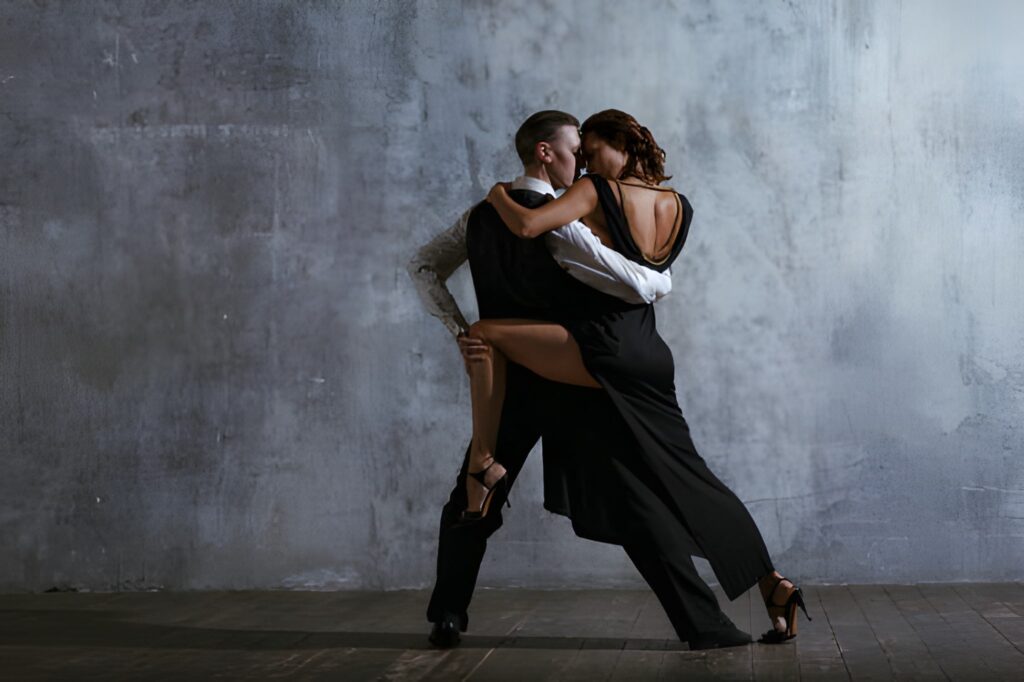
Parents of the bride or groom: learn the 5 essential wedding dances you need to know. From the father-daughter dance to reception dancing, master these styles and shine at your child’s wedding.
We get it. You’re probably paying for this wedding, but there’s no reason you should be paying any tax on the dance floor.
Learning to dance doesn’t mean you need to swing from the chandelier or wear clothing that would make a Dancing with the Stars teacher blush. It means that you can walk out there, move to the music, and hold your own at a once-in-a-lifetime party.
You might also enjoy: Ways to a Wedding Dance Fail
You might also enjoy: Dance Upgrades for Your Postponed Wedding Day
You might also enjoy: Ways to Avoid the Hollow Wedding Cake First Dance
Your child’s wedding day is one of the most important celebrations you’ll ever attend. Whether you’re the father walking your daughter down the aisle, the mother sharing a dance with your son, or simply a proud parent ready to celebrate on the dance floor, being prepared to dance makes the day even more memorable.
Why Parents Should Be Dancing at the Wedding
Before we dive into the specific dances, let’s address why learning to dance before your child’s wedding is so important.
1. No Regrets
You may have heard the quote, but the pain of hard work will never hurt as much as the pain of regret. With some lessons, you won’t regret anything you do on the dance floor at the wedding. The hard work only seems difficult until you’ve walked into an Arthur Murray Dance Studio.
Think about it: You’ll look at photos and videos from this wedding for the rest of your life. Do you want to see yourself confidently dancing, or awkwardly shuffling? The choice is yours, and a few lessons can make all the difference.
2. It’s Expected
There’s the father-daughter dance, the mother-son dance, and often the money dance. These days, the wedding crowd understands that dancing will liven up a reception much more than appetizers or a chocolate fountain. So why should you be excluded from that?
Modern weddings feature multiple dancing opportunities for parents:
- The traditional parent dances with the bride or groom
- Dancing during the reception with your spouse, friends, and family
- The money dance or dollar dance
- The last dance of the evening
- Spontaneous dancing when your favorite songs play
Each of these moments is an opportunity to shine or shrink. Preparation ensures you shine.
3. You Really Can Do It
Get over the Two Left Feet Myth, the Born With No Rhythm Myth, or the People May Die If They See Me Dance Myth. They aren’t true, and dancing is no different than golf.
People who take lessons do far better than people who try to fake their way through it.
Consider this: Would you try to play 18 holes at your child’s golf outing without ever having held a club? Of course not. Yet many parents attempt the most photographed and videotaped dance of their lives without any preparation.
Dance lessons aren’t about becoming a professional dancer. They’re about having the basic skills to look comfortable and confident on the dance floor. That’s completely achievable for anyone willing to invest a little time.
5 Survival Dances to Learn for Your Child’s Wedding
These five dances cover the range of music you’re likely to encounter at any wedding reception. Master these, and you’ll be prepared for virtually any song the DJ plays.
1. Foxtrot: Most Likely to Be Used
You can safely categorize the Foxtrot as “Most Likely To Be Used” when it comes to any of the officially sanctioned wedding dances. It’s the classic choice for parent dances and works beautifully with the most popular wedding songs.
Foxtrot Characteristics:
- Easy to learn: The basic patterns are straightforward and quickly mastered
- Fits classic music: Works perfectly with Sinatra, Buble, and all the old standards
- Smooth movement: Moves around the room as smooth as someone with a fedora and a martini
- Elegant appearance: Looks polished even at a basic level
- Conversation-friendly: The tempo allows you to talk while dancing
Added Bonus:
Foxtrot is typically the first dance where students can talk and dance simultaneously. Which is, you know, a pretty important skill when you’re sharing meaningful moments with your child on their wedding day.
Best Songs for Foxtrot:
- “The Way You Look Tonight” by Frank Sinatra
- “Fly Me to the Moon” by Frank Sinatra
- “Unforgettable” by Nat King Cole
- “At Last” by Etta James
- “What a Wonderful World” by Louis Armstrong
Where to Practice:
Group Classes are excellent for building Foxtrot fundamentals, and Practice Parties give you the chance to apply those skills in a social setting before the wedding.
2. Rumba: Your New Go-To Slow Dance
The Rumba will be your new go-to slow dance. No more awkward swaying side to side, uncertain of hand placement. Especially when you dance with anyone you’re not married to.
Rumba Characteristics:
- Easy movements: Simple footwork that anyone can learn
- Fits popular slow music: Works with the romantic ballads played at every wedding
- Built for compact dance floors: Perfect for crowded reception venues
- Appropriate for all partners: Comfortable distance for dancing with relatives and friends
- Romantic appearance: Creates beautiful moments without being inappropriate
Added Bonus:
Rumba is romantic without being over-the-top. It’s a dance that doesn’t require a lot of space, so couples can enjoy it spontaneously in places like their kitchen, at a restaurant, or next to that chocolate fountain at the reception.
Best Songs for Rumba:
- “Endless Love” by Diana Ross and Lionel Richie
- “Unchained Melody” by The Righteous Brothers
- “When I Fall in Love” by Nat King Cole
- “Can’t Help Falling in Love” by Elvis Presley
- “The Way You Look Tonight” by Tony Bennett
Perfect For:
The Rumba is ideal for the slower romantic songs that inevitably play during the reception. While the kids dance their modern dances, you’ll have an elegant way to enjoy the music.
3. Swing: Your Wedding Reception “Get Out of Jail Free” Card
Some people refer to this as Jitterbug, others refer to it as East Coast or West Coast Swing. We call it your wedding reception “Get out of Jail Free” card. They say that cockroaches could survive a nuclear explosion, and students who learn Swing can survive any wedding.
Swing Characteristics:
- Versatile tempo: There’s a version of Swing built for slow, medium, or fast tempos of music
- All-American fun: It’s considered the All-American Fun Dance for good reason
- Impossible not to smile: It’s tough to dance without a smile on your face
- Works with diverse music: Rock, pop, soul, and contemporary music all work
- Energetic but controlled: Fun without being wild or inappropriate
Added Bonus:
We refer to Swing, and its distant relative the Cha-Cha, as “Wedding Crashers!” They both have the same dance DNA, so learning both simultaneously isn’t a problem and will supply more variety for different songs.
Best Songs for Swing:
- “Twist and Shout” by The Beatles
- “Brown Eyed Girl” by Van Morrison
- “Build Me Up Buttercup” by The Foundations
- “I Gotta Feeling” by Black Eyed Peas
- “Uptown Funk” by Bruno Mars
Why Swing is Essential:
Wedding DJs love playing upbeat crowd-pleasers. If you only know slow dances, you’ll be sitting out half the reception. Swing ensures you’re ready when the party really gets started.
4. Merengue: Dance to Your Kids’ Music
We’re sure you’ve accidentally listened to some of your kids’ music, only to wish later that you could have “un-listened to” it. Yes, your kids may not understand your taste in music, but Merengue is an all-access pass of a dance to make even the music your kids like danceable.
Merengue Characteristics:
- High energy: Matches the upbeat vibe of modern party music
- Very basic footwork: Simple marching step that anyone can master
- Quick to learn: You can be dancing Merengue within your first lesson
- Works with contemporary music: Electronic, pop, hip-hop, it all works
- Impressive turns: Learn a wide variety of turns quickly and comfortably
Added Bonus:
The Merengue is a great foundation dance for other dances like Salsa, Hustle, and Cha-Cha. Learning Merengue opens doors to multiple dance styles.
Best Songs for Merengue:
- “Suavemente” by Elvis Crespo
- “Conga” by Gloria Estefan
- “Hot Hot Hot” by Buster Poindexter
- “Shake Senora” by Pitbull
- “Party Rock Anthem” by LMFAO
The Parent’s Secret Weapon:
When the DJ plays something modern and all the young people hit the floor, Merengue lets you join them without looking out of place. You’ll be able to dance to the same music as your kids and their friends.
5. Waltz: The Showstopper
If dances were fancy outfits, the Waltz would be a gown or tuxedo. Now, what event would prompt you to wear an outfit like that other than a wedding of someone you brought into the world?
Waltz Characteristics:
- Most elegant: The Waltz is the most elegant of all the ballroom dances
- Posture-enhancing: Built to naturally enhance your posture and poise
- Powerful impact: Even the most basic Waltz can create a powerful moment
- Timeless beauty: Never goes out of style
- Photogenic: Creates stunning photos and video moments
Added Bonus:
If you wanted to knock everyone’s socks off on the father-daughter or mother-son dance, Waltz would be a great choice. It has an undeniable “wow factor” that other dances can’t match.
Best Songs for Waltz:
- “Cinderella” by Steven Curtis Chapman
- “My Wish” by Rascal Flatts
- “I Loved Her First” by Heartland
- “You Raise Me Up” by Josh Groban
- “A Thousand Years” by Christina Perri
Making Your Dance Memorable:
A Waltz at a wedding creates a fairy-tale moment. When the crowd sees parents and child moving gracefully around the floor to beautiful music, there won’t be a dry eye in the house.
Getting Ready for the Big Day
Now that you know which dances to learn, here’s how to prepare:
Start Early
Don’t wait until the month before the wedding. Give yourself time to build skill and confidence. Three to six months before the wedding is ideal.
Take Private Lessons
Work one-on-one with a professional instructor who can focus on your specific needs and goals. Private lessons are the fastest way to learn.
Attend Group Classes
Group Classes supplement your private lessons by giving you more floor time and the experience of dancing with different partners.
Use Practice Parties
Practice Parties are the perfect rehearsal for the wedding. You’ll practice dancing in a social setting, building the confidence you need for the real event.
Practice Together
If you’re dancing with your spouse at the reception, practice together regularly. The coordination you build will make your dancing smoother and more natural.
Final Thought
At some point, you’ve used your kids as an excuse to go on roller coasters, blow your budget on holiday shopping, or get out of work. So why not use your kid’s engagement as an excuse to learn how to dance?
You don’t need to do the splits or the funky chicken, and your kids probably wouldn’t want to see that anyway.
Mom and Dad, consider this your dance invitation.
This wedding is a celebration of your child and the family you’ve built. Being prepared to dance confidently means you can fully participate in the joy of the day without anxiety or regret. The investment in dance lessons pays dividends not just at this wedding, but at every celebration for years to come.
Frequently Asked Questions
How far in advance should parents start taking dance lessons before a wedding?
We recommend starting 3-6 months before the wedding. This gives you time to learn the basics, practice, and build confidence without feeling rushed.
Can you learn enough to dance at a wedding in just a few lessons?
Yes! A few private lessons can give you the basic skills for the parent dances. For more confidence during the entire reception, we recommend supplementing with Group Classes and Practice Parties.
What if one parent is willing to take lessons but the other isn’t?
Many parents start learning solo, which often inspires their spouse to join later. Even if only one parent takes lessons, they’ll still benefit, and their improved skills can make dancing with a less-experienced partner easier.
Are dance lessons for wedding parents different from regular lessons?
The dances are the same, but your instructor will focus on the songs and situations specific to weddings. You might practice to your actual parent-dance song.
What should parents wear to dance at a wedding?
Comfortable dress shoes you can move in are essential. Ladies should avoid heels that are too high or thin. Gentlemen should make sure their shoes have some flexibility. Many students bring their wedding shoes to lessons to practice in them.
How can nervous parents build confidence before the wedding?
Attending Practice Parties is the best way. These studio events simulate social dancing and help you get comfortable dancing in front of others in a supportive environment.
Ready to prepare for your child’s wedding? Contact your local Arthur Murray Dance Studio to start your journey. Your future dance memories are waiting.