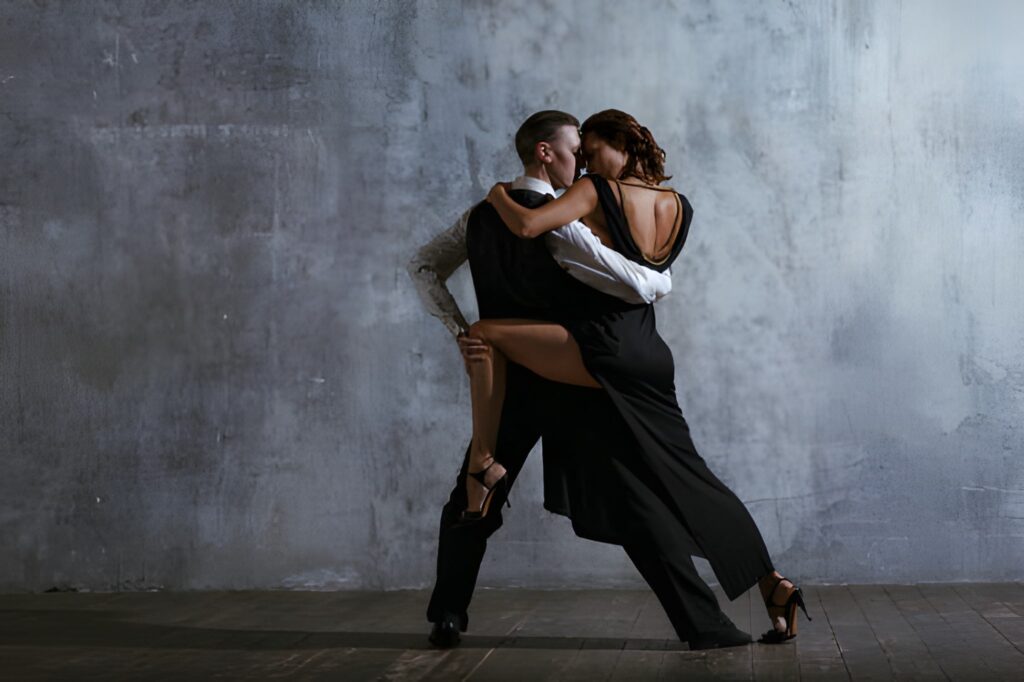
Dancing with the Stars makes dance transformations look magical. A celebrity who couldn’t two-step at their high school prom somehow performs a competition-ready Argentine Tango in week three. The judges marvel. The audience cheers. At home, viewers wonder: how is that possible?
The answer is simpler than you might think – but it’s not what the show wants you to see.
Behind the fairy-tale editing lies a reality of extraordinary investment: time, resources, and support that most people will never access. Understanding what actually happens backstage can help you calibrate your own dance expectations – and appreciate what your progress really means.
The Pre-Season Head Start
Here’s the first secret the show doesn’t advertise: contestants don’t start training on premiere day. They start weeks – sometimes a month or more – before filming begins.
According to multiple contestants who’ve discussed their experience publicly, celebrities typically begin working with their professional partners 4-6 weeks before the first episode airs. That means when you see “Week 1,” you’re actually seeing the result of 5-7 weeks of training.
This head start serves multiple purposes. It gives celebrities time to learn fundamental techniques before the pressure of live performance. It allows pros to assess their partner’s strengths and limitations. And it creates a baseline of skill that makes week one look more impressive than truly “day one” dancing would.
Think about what that means: when you watch a celebrity’s “first dance,” they’ve likely already had 100+ hours of instruction. That’s roughly equivalent to two years of weekly private lessons for a typical Arthur Murray student.
The magic starts to make more sense.
The 20-Hour Training Weeks
Once the show begins, the training intensity ramps up dramatically. Contestants have reported practicing 4-6 hours per day, five or six days per week. That’s 20-30 hours of dancing – every single week.
Let’s put that in perspective. A dedicated amateur dancer might take one or two private lessons per week (1-2 hours), attend a Group Class (45 minutes), and hit a Practice Party (2 hours). Call it 5 hours weekly – and that’s more than most people manage.
DWTS contestants are dancing four to six times that amount. For weeks on end. With a world-class professional whose entire job is making them look good.
The improvement you see on television isn’t mysterious – it’s the predictable result of massive practice volume. Research on deliberate practice consistently shows that volume matters. Put anyone through 20+ hours per week of focused training with expert guidance, and rapid improvement follows.
In fact, given the training hours, what’s surprising isn’t how good contestants get – it’s that they don’t get better. The ones who struggle are often dealing with injuries, age, schedule conflicts, or sheer athletic limitation. The human body can only adapt so fast, even under ideal conditions.
The Camera Design and Editing
Not everything you see on DWTS represents what actually happened on the dance floor. The camera work and editing create specific impressions – not all of which are accurate.
Strategic Camera Angles
TV cameras don’t capture dancing the way a judge at a competition would see it. Camera operators know how to make movement look more dramatic, hide footwork issues, and emphasize the most flattering angles.
Wide shots show energy and overall picture. Close-ups capture emotion while skipping over technical execution. Moving cameras create a sense of dynamism that might not exist in the actual movement. The visual storytelling enhances the performance – sometimes significantly.
Highlight Reel Editing
You never see the full rehearsal process – only the curated moments that tell the story producers want to tell. The celebrity who “struggled” all week and then “miraculously” nailed it? That narrative might be real, or it might be editing. The breakthrough moment shown at the end of the training package might have happened early in the week and been held for drama.
This isn’t deception exactly – it’s television. But it shapes expectations for viewers who don’t realize the extent of the curation.
The Professional’s Choreography
The professional partner choreographs every routine specifically for their celebrity’s abilities. They build on strengths. They hide weaknesses. They choose moments where the celebrity shines and moments where the pro can carry the performance.
Watching a DWTS routine, you’re seeing a custom-designed dance created by an expert specifically to make one particular person look as good as possible. It’s bespoke tailoring applied to choreography.
Compare that to a competition dancer executing standardized figures that reveal technique rather than hide it. The DWTS version is designed to impress; the competition version is designed to be assessed. They’re different products serving different purposes.
The Support System You Don’t See
Behind every DWTS contestant is a small army of professionals making everything possible.
Physical therapy and medical support: When you’re dancing 20+ hours per week, injury is almost inevitable. Contestants have access to immediate treatment – therapists, trainers, doctors – that keep them functional despite the physical stress.
Costume and styling teams: Those spectacular outfits aren’t just pretty – they’re designed to flatter movement and enhance visual impact. A well-designed costume can make arms look longer, spins more dramatic, and overall silhouettes more impressive.
Cleared schedules: Most contestants take significant time off from other work to focus on the show. They’re not squeezing lessons between meetings and family obligations – dancing becomes their full-time job.
Studio access: Unlimited rehearsal space, any time they want it. No scheduling constraints or travel to the studio. The physical environment is optimized for training.
None of this diminishes what contestants achieve – the work is real, the improvement is real, the pressure is real. But it does mean the context is entirely different from recreational dance learning.
The Critical Takeaway: Skill Crossover Transfer
Here’s what really matters for your own dancing: the celebrities who succeed on DWTS aren’t random. They bring something to the table.
Athletes dominate for a reason. Olympic gymnasts, figure skaters, and professional athletes consistently outperform other contestants. Why? They already have body awareness, proprioception, strength, and – crucially – experience learning complex physical skills under pressure.
This is called “transfer of learning” – skills from one domain carrying over to another. The discipline of competitive training, the ability to take correction, the comfort with physical challenge – all of this transfers to dance.
Performers adapt quickly. Actors and musicians often do well because they’re comfortable being watched, understand rhythm, and know how to project emotion. Performance skills transfer even without athletic background.
The “surprising” contestants usually aren’t. When a non-athlete, non-performer does well, look closer. Often they have some background that’s transferable – theatre experience, childhood dance classes, movement-based hobbies. The complete novice who becomes a star is rarer than editing suggests.
What this means for you: your own background matters. Previous dance training, sports experience, musical ability, comfort with performance – all of these accelerate your learning. If you’re starting from scratch, you’ll improve steadily – but comparing yourself to celebrities with transferable advantages isn’t a fair comparison.
What DWTS Gets Right
Despite all the production elements, DWTS demonstrates real principles that apply to recreational dancers:
Dedication produces results. The contestants who succeed take their training seriously. They show up, do the work, push through discomfort. That commitment is genuine – and it’s what drives improvement at any level.
Good instruction accelerates everything. Working with world-class professionals makes a massive difference. Quality teaching – the kind you get at Arthur Murray – dramatically shortens the learning curve compared to self-teaching or low-quality instruction.
Performance pressure reveals gaps. Contestants often describe the terror of live television – and how it exposed weaknesses they hadn’t noticed in rehearsal. This is true at every level. Dancing in front of others, under pressure, shows you what you actually know versus what you think you know.
The journey matters. Whatever you think of the show, the contestants genuinely seem transformed by the experience. The emotional growth, confidence building, and new capabilities are real. Dancing changes people – whether on television or in your local studio.
Calibrating Your Expectations
So what does all this mean for you?
Don’t compare your progress to DWTS contestants. They’re operating under completely different conditions. If you’re taking one lesson per week and they’re training 20 hours, you’re not in the same race.
Do celebrate what DWTS represents. The show proves that adults can learn to dance, that transformation is possible, and that the work pays off. Those lessons are real even if the timeline is compressed.
Use it as inspiration, not measurement. When you watch those performances, let them inspire you to show up for your next lesson. Don’t let them make you feel behind – you’re on your own journey with your own timeline.
Appreciate your own constraints. You’re learning while working a job, managing a household, living a full life. DWTS contestants have dedicated all their resources to dance for a few months. Your progress, under real-world conditions, is genuinely impressive.
In fact, the recreational dancer who builds steady progress over years often ends up with deeper skills than the DWTS celebrity who trained intensively for three months. Sustainable practice creates lasting ability. Crash courses create temporary results.
The Real Magic
Here’s the thing about DWTS: even knowing everything behind the curtain, the transformations are still impressive. People who couldn’t dance learn to dance. Bodies that didn’t move that way learn new patterns. Confidence grows. Joy emerges.
The real magic isn’t that celebrities improve so quickly – it’s that dancing improves people at all. That magic is available to you, whether you’re training 20 hours per week or squeezing in lessons between everything else.
The camera tricks and editing can’t manufacture what matters: the actual experience of learning, growing, and becoming something new on the dance floor.
That’s the real show. And you don’t need a television crew to star in it.