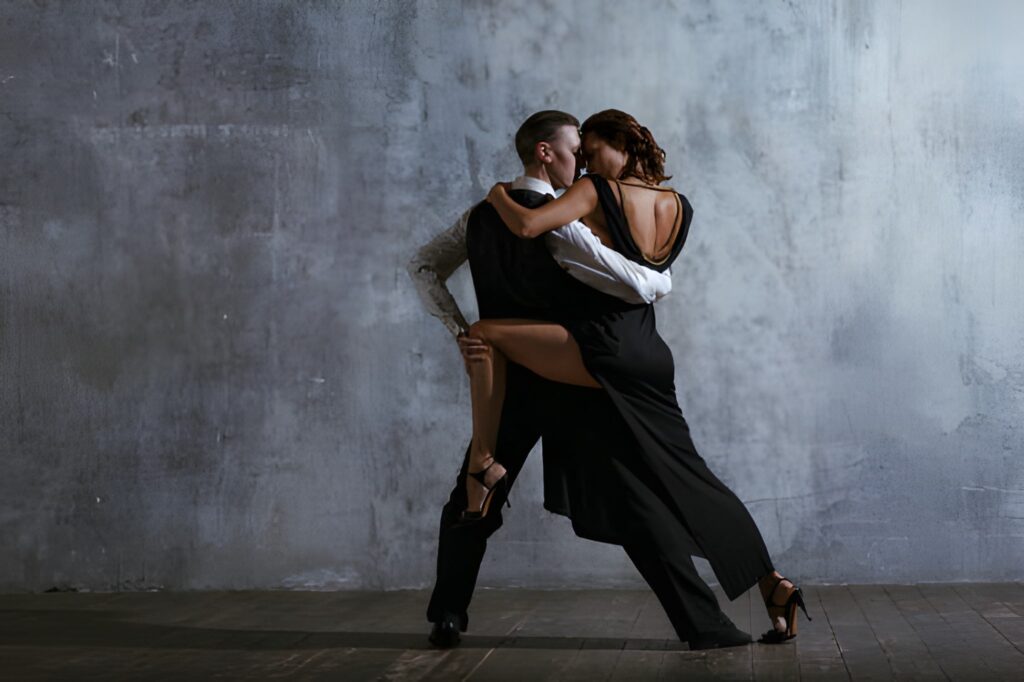

Discover how dance lessons create the perfect date night for couples. Learn why ballroom dancing strengthens relationships, improves communication, and adds romance to your life.
When was the last time you and your partner tried something completely new together? Something that challenged you both, made you laugh, required you to communicate in new ways, and ended with you holding each other close to beautiful music?
For a growing number of couples, the answer is: their last dance lesson.
You might also enjoy: Why Dance Teachers Leave
You might also enjoy: Things Dance Teachers Say the Most
Dance lessons have evolved far beyond wedding preparation or retirement hobbies. Today, couples of all ages are discovering that ballroom dancing provides something increasingly rare in our screen-dominated world: genuine, focused time together that strengthens their relationship while teaching a beautiful skill.
This article explores how dance lessons become the ultimate date night and why learning to dance together might be exactly what your relationship needs.
Why Couples Are Choosing Dance Lessons
The rise of couples dance lessons isn’t accidental. In an age of distraction, couples are hungry for activities that bring them closer together rather than further apart.
Escaping the Screen
Consider your typical evening. How much of it involves both partners staring at separate screens: phones, tablets, computers, televisions? Even when you’re in the same room, you’re often in different worlds.
Dance lessons create a space where screens don’t exist. For that hour, your complete attention is on your partner, the music, and the movement. It’s enforced presence that many couples desperately need but struggle to create on their own.
Creating Shared Experiences
Research consistently shows that couples who engage in novel activities together report higher relationship satisfaction. The key word is “novel,” activities that challenge you and create new shared memories.
Watching a movie you’ve both seen isn’t novel. Going to your usual restaurant isn’t novel. But learning to Foxtrot together? That’s novel. Every lesson presents new challenges, new victories, and new memories you share only with each other.
Physical Connection
When did you last spend an hour touching your partner in a non-routine way? Dance lessons provide structured physical connection: holding hands, frame contact, moving together. This is something many long-term couples have let fade from their daily lives.
This physical contact triggers oxytocin release, the “bonding hormone” that promotes feelings of attachment and trust. Dance lessons essentially biochemically reinforce your connection.
Fun and Laughter
Learning something new together means making mistakes together. Those mistakes (stepping on toes, going the wrong direction, completely forgetting the pattern) create moments of shared laughter that are surprisingly bonding.
Couples who can laugh at themselves and each other in good fun demonstrate the kind of psychological safety that strong relationships require.
The Date Night Dance Lesson Experience
What actually happens when you walk into a dance studio for a couples lesson? Let’s walk through the experience.
Arriving at the Studio
You arrive at an Arthur Murray studio and are greeted warmly. The atmosphere is welcoming, not intimidating. You see other couples (some clearly experienced, others obviously beginners like yourselves) and everyone seems relaxed and happy.
Music plays softly. The dance floor gleams. You feel a mix of excitement and nervousness, but your partner squeezes your hand, and you walk in together.
Meeting Your Instructor
Your instructor introduces themselves and immediately puts you at ease. They’ve taught hundreds of couples and understand the unique dynamics of teaching partners together.
The instructor explains that they’ll be working with both of you throughout the lesson, demonstrating with each of you at different times, but that most of the dancing will be between the two of you.
Learning Your First Steps
Whether you’re learning Swing, Rumba, Foxtrot, or another dance, the process is similar. Your instructor breaks down the basic step, demonstrates it, then has each of you try it separately.
Then comes the magic moment: your instructor brings you together with your partner and has you try the step as a couple.
It feels awkward at first. Who knew four feet could be so difficult to coordinate? But with the instructor’s guidance, something clicks. You complete a basic pattern together. You look at each other and grin.
Building Patterns
The lesson progresses as your instructor adds elements to the basic step. Maybe a turn, an underarm pass, a progressive movement across the floor. Each new element brings its own learning curve and its own sense of accomplishment when you master it.
Throughout the lesson, you’re communicating with your partner in new ways. Leading and following require non-verbal signals. You’re paying attention to each other’s bodies in ways that feel both unfamiliar and intimate.
Ending on a High Note
Good instructors end lessons with success. Before you leave, you’ll dance a complete sequence to music: the moves you learned, put together, flowing from beginning to end.
As the music fades, you realize you’ve spent an hour completely focused on each other and learned something beautiful together. You leave holding hands, already looking forward to the next lesson.
How Dance Lessons Strengthen Relationships
Beyond being enjoyable date nights, dance lessons create conditions that actively strengthen your partnership.
Improved Communication
Dance requires constant communication, but much of it is non-verbal. Leaders must clearly signal their intentions through the frame. Followers must respond to those signals while communicating their own feedback.
Couples often report that the communication skills developed in dance (listening with their whole body, giving clear signals, responding rather than guessing) transfer into their daily relationship.
Role Understanding
In partner dance, one person leads and one follows. While this can be rotated, experiencing both roles teaches important lessons.
Leaders learn that good leadership isn’t about control. It’s about clear communication, considering your partner’s comfort, and creating space for them to shine.
Followers learn that following isn’t passive. It’s active listening, trusted response, and providing feedback that makes leadership possible.
These insights often spark meaningful conversations about roles and dynamics in other areas of the relationship.
Conflict Resolution Practice
Learning something new together means encountering frustration together. When a pattern isn’t working, couples must navigate that moment without blame or withdrawal.
The dance studio becomes a low-stakes practice ground for conflict resolution. Learning to say “let’s try that again” instead of “you messed up” develops relationship muscles that serve you far beyond the dance floor.
Celebrating Each Other
Dance creates countless moments to celebrate your partner. Watching them master a difficult turn. Feeling them find the rhythm. Seeing them grow in confidence. These moments of genuine pride and appreciation reinforce the admiration that attracted you in the first place.
Shared Goals and Progress
Having goals you work toward together (learning a new dance, preparing for an event, mastering a challenging pattern) creates shared purpose. Achieving those goals together builds confidence in your ability to accomplish things as a team.
Beyond the Private Lesson: The Complete Experience
While private couples lessons are wonderful, the full Arthur Murray experience extends beyond one-on-one instruction.
Group Classes as Couple Activities
Group Classes offer a different dynamic for couples. You learn alongside other students, which adds a social element to your dance education.
In group settings, you’ll typically rotate partners for portions of the class. While this might seem counterintuitive for a couple activity, it actually benefits your dancing and your relationship.
Dancing with others teaches you both to adapt to different partners, making you more skilled when you return to each other. It also demonstrates trust. You’re confident enough in your relationship to dance with others.
When the rotation ends and you return to each other, there’s often a palpable sense of “coming home.” Couples frequently report dancing better with each other after rotating, appreciating their partner’s style more deeply.
Practice Parties as Date Nights
Practice Parties are social dance events held at the studio, and they’re perfect for couples seeking a unique date night experience.
At a practice party, you’ll:
- Dance together to a variety of music
- Practice what you’ve learned in lessons
- Meet other couples with shared interests
- Enjoy an evening out that’s active and engaging
- Build confidence for dancing at other events
Unlike going to a restaurant or movie, a practice party date night is interactive. You’re actively engaged with each other throughout the evening. And unlike a regular dance club, practice parties are supportive and judgment-free, perfect for couples still building their skills.
Building Community Together
Couples who dance often develop friendships with other dancing couples. This shared social network enriches your life and provides opportunities for socializing as a pair.
Double date at practice parties. Travel together to dance events. Share the journey of learning with others who understand the challenges and joys. The dance community becomes your community as a couple.
Special Occasions and Dance
Dance lessons take on extra significance when connected to special occasions.
Wedding First Dance
The most common occasion that brings couples to dance lessons is their wedding first dance. But couples often discover that what begins as wedding preparation becomes an ongoing hobby.
Working toward your first dance creates shared purpose during an often stressful engagement period. Having regular lessons provides a break from wedding planning where you focus solely on each other.
And when your wedding day arrives, your first dance becomes not just a tradition but a meaningful expression of your partnership.
Anniversary Celebrations
What if your anniversary celebration wasn’t just dinner and a show, but dancing together at a studio event or ballroom? Couples who dance together often mark anniversaries by learning new dances, attending special events, or showcasing their progress.
Milestone Moments
Retirement, empty nest, relocation. Life transitions can stress relationships. Taking up dance lessons together during transitions provides stability, shared activity, and something to look forward to.
Addressing Couples’ Concerns
Many couples who would love to dance together hesitate due to common concerns. Let’s address them directly.
“My Partner Has No Interest”
Often, one partner is enthusiastic while the other is reluctant. A few strategies can help:
Frame it as a gift: “I’d really love to learn to dance with you. Would you try one lesson as a gift to me?”
Start small: Suggest just a trial lesson with no commitment. Many reluctant partners are pleasantly surprised.
Emphasize the relationship: “This isn’t about becoming dancers. It’s about spending quality time together and trying something new as a couple.”
Let them experience it: Reluctance often melts once someone actually steps on the floor and realizes it’s fun.
“We’ll Just Argue”
Couples who fear conflict sometimes avoid challenging activities together. But avoiding shared challenges actually weakens relationships over time.
The dance studio is a structured environment with professional instructors who know how to manage couple dynamics. Your instructor won’t let you spiral into argument. They’ll redirect, reframe, and keep things moving productively.
Many couples find that learning to navigate small frustrations in lessons improves their ability to handle conflict generally.
“We’re Too Old”
Dance studios welcome couples of all ages. Whether you’re in your thirties or your seventies, you’ll find instructors experienced in teaching your age group and other couples at similar life stages.
In fact, dance is particularly valuable for older couples. The physical activity maintains health, the mental challenge keeps minds sharp, and the social connection combats isolation.
“We Have Two Left Feet”
You don’t. Neither of you do. And the beauty of learning together is that you progress together. You don’t need to worry about keeping up with a more experienced partner because you’re both beginners.
“We Don’t Have Time”
Consider how you currently spend your leisure time. Dance lessons don’t require more time than dinner and a movie. But they provide more connection, more exercise, more mental stimulation, and more lasting value.
Making time for dance lessons is making time for your relationship.
Making Dance Lessons Work as Date Night
Here are practical tips for maximizing the date night potential of dance lessons.
Establish it as Special
Don’t treat your dance lesson like any other appointment. Dress up a bit. Look forward to it. Arrive a few minutes early and leave phones in the car.
Create rituals around your lessons, perhaps dinner after, or a special coffee stop on the way.
Adopt the Right Mindset
You’re there to learn together and enjoy each other, not to achieve perfection. Embrace mistakes as funny, not frustrating. Celebrate each other’s progress, no matter how small.
Leave work stress and home responsibilities at the door. This is your time.
Communicate Positively
Focus on positive communication during and after lessons. “That turn was better!” rather than “You always forget the foot change.” “I love dancing with you” rather than critiques of each other’s technique.
Save technical discussion for when your instructor is present to mediate and clarify.
Extend the Experience
Make your dance education part of your regular week, not an occasional activity:
- Attend Group Classes together regularly
- Make Practice Parties a recurring date night
- Put on dance music at home and move together, even informally
- Watch dance shows or movies together for inspiration
Set Goals Together
Having shared dance goals (a specific event, a new dance to learn, a challenge to overcome) gives you something to work toward together. Discuss your goals and check in on your progress as a couple.
Frequently Asked Questions
Should we take private lessons or group classes as a couple?
Ideally, both. Private lessons let you work on your specific partnership, while Group Classes add social dynamics and the benefits of dancing with others. Many couples do a combination.
What if one of us progresses faster than the other?
This is common and normal. Your instructor will manage the dynamic, finding ways to challenge the faster learner while supporting the other. Remember, it’s not a competition. You’re on the same team.
How often should we take lessons?
Weekly lessons work well for most couples. Combined with attending Practice Parties and occasional group classes, this provides enough consistency for real progress.
What dances should we learn first?
Your instructor will recommend dances based on your goals and musical preferences. Many couples start with versatile dances like Foxtrot or Swing that work for many social situations.
Will dancing help our relationship even if we’re going through a rough patch?
Dance lessons provide structured positive time together, which can help struggling relationships. However, if you’re facing serious issues, dance lessons work best as a supplement to, not replacement for, direct relationship work.
How long before we’re ready to dance at events?
With consistent lessons and practice, most couples feel comfortable at social events within 3-6 months. Confidence and polish continue developing over years of dancing.
Your Dance Journey Awaits
Every couple’s love story is unique, but every love story can include dancing.
Imagine looking back on your relationship and seeing dance woven throughout: the lessons where you laughed at your mistakes, the practice party where you finally nailed that pattern, the wedding where you swept across the floor together, the anniversary celebrated with new moves learned just for the occasion.
Dance lessons offer something rare: regular, focused time with your partner doing something that’s active, engaging, skill-building, and romantic all at once. In a world full of distractions pulling couples apart, dancing pulls you together, literally and figuratively.
Your partner is waiting. The music is playing. The dance floor is calling.
Ready to transform your date nights? Contact your local Arthur Murray Dance Studio to schedule your first couples lesson and discover why dancing together changes everything.