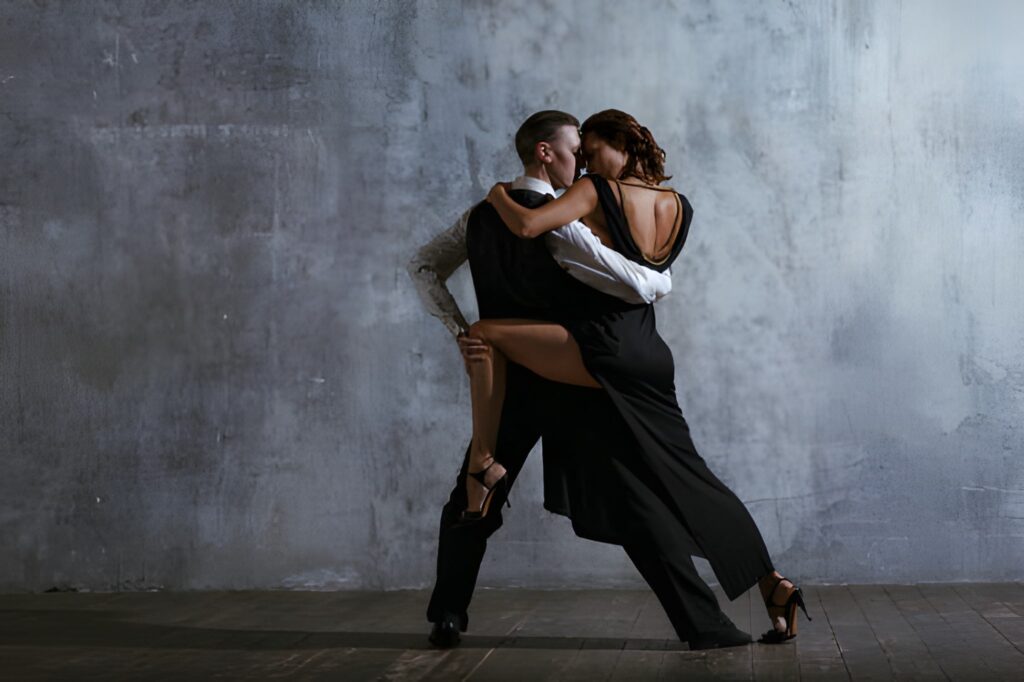
For over two decades, Dancing With The Stars has done something remarkable: it transformed ballroom dancing from a niche hobby into must-see television. What started as an American adaptation of a British format became a cultural phenomenon that changed how millions of people think about dance.
This guide explores the show’s lasting impact, the dances that captivate audiences week after week, and what aspiring dancers can learn from watching celebrities step outside their comfort zones.
How DWTS Changed Ballroom Dancing Forever
Before DWTS premiered, ballroom dancing carried a certain image. Many people imagined formal ballrooms, strict dress codes, and an activity reserved for a particular demographic. The show shattered those misconceptions.
When NFL legend Emmitt Smith won the Mirrorball Trophy, it created what many in the dance industry called a seismic shift. Suddenly, professional athletes were talking about ballroom dancing. Jerry Rice claimed it got him in the best shape of his life. Apollo Ohno brought his Olympic discipline to the dance floor. These weren’t endorsements from expected sources… they were validations from elite competitors.
The show proved that ballroom dancing could be cool, athletic, and accessible to anyone willing to learn. Ballroom dance, with its rich history dating back centuries, found a new audience eager to try what they saw on television.
The Dance Styles Featured on DWTS
Each week, DWTS showcases different ballroom and Latin dances. Understanding these styles helps viewers appreciate the technical challenges celebrities face and gives aspiring dancers a roadmap for their own journey.
Standard Ballroom Dances
Waltz – The most elegant of all ballroom dances. The Waltz features sweeping, flowing movements in three-quarter time. It’s often described as dancing on a cloud, with partners moving as one across the floor.
Foxtrot – Smooth, sophisticated, and surprisingly challenging. Foxtrot is where leaders often gain the ability to hold a conversation while dancing. Set to the music of Sinatra and the Great American Songbook, it’s romance in motion.
Viennese Waltz – The fastest of the Standard dances. Often compared to ice skating, it requires exceptional balance and control. Olympic skater Nancy Kerrigan found this dance closest to her skating background.
Quickstep – Fast, energetic, and technically demanding. This dance tests a celebrity’s ability to maintain precision while covering ground quickly. Historic dance manuals show how partner dances have evolved, but the Quickstep’s infectious energy remains timeless.
Tango – Drama, sharp movements, and intense connection. The Tango demands bold expression and powerful presence from both partners.
Latin Dances
Cha-Cha – Playful, rhythmic, and full of personality. This Cuban dance often serves as a first dance for contestants, revealing their natural rhythm and stage presence.
Rumba – Known as the “dance of love.” Rumba features slow, sustained movements that showcase emotional connection between partners. The slow tempo gives couples time to truly connect.
Samba – Brazilian energy and hip movement define this carnival-inspired dance. The distinctive bounce action challenges even experienced dancers.
Jive – High-energy, athletic, and exhausting. This swing-derived dance tests endurance while demanding precise footwork and showmanship.
Paso Doble – The bullfight comes to the ballroom. Powerful, dramatic, and uniquely theatrical, this Spanish-inspired dance brings out a different side of every celebrity who attempts it.
Specialty Dances
Argentine Tango – Unlike its Standard cousin, Argentine Tango (recognized by UNESCO as cultural heritage) emphasizes improvisation and intimate connection. There’s no predetermined pattern… just two people responding to each other and the music.
Contemporary – While this is a mainstay on another dance show, So You Think You Can Dance, this is a new addition to Dancing with the Stars. Contemporary mixes the disciplines of Ballet, Modern, and elements of Waltz or Bolero. It is a storytellers dance that throws all of the rules of ballroom out the window for a heartstring tugging dance journey.
Salsa – Hot, exciting, and charismatic. This nightclub favorite brings Latin club energy to the DWTS stage.
Iconic DWTS Performances That Changed Everything
Certain performances transcend the competition and become cultural moments. These routines demonstrate what makes DWTS compelling television and what viewers can learn from celebrity transformations.
The Athletic Pioneers
Emmitt Smith’s Championship Run – When the NFL Hall of Famer won, he proved that elite athletes could excel at ballroom. His victory opened doors for countless other athletes and forever changed who takes dance lessons.
Laurie Hernandez’s Season 23 Dominance – The 16-year-old Olympic gymnast brought energy, effort, enthusiasm, and ability. Her Duck Tales-inspired Jive showcased how props and storytelling enhance technical excellence. She competed like a champion while never carrying herself as anything but someone who loves to dance.
Jerry Rice’s Fitness Revelation – The greatest wide receiver in NFL history claimed ballroom dancing got him in better shape than football. His testimony resonated with athletes everywhere.
Unexpected Excellence
Nancy Kerrigan’s Samba Breakthrough – Twenty years after the attack that defined her public image, the Olympic skater delivered a Samba that redefined how audiences saw her. It wasn’t just a dance… it was a new chapter.
Ralph Macchio’s Ballroom Journey – The Karate Kid brought 1980s nostalgia to the dance floor and proved that action stars could excel in partnership dancing. His epic run surprised everyone.
Normani Kordei’s Star Turn – The Fifth Harmony singer learned dance frame for the first time on DWTS. Quick, well-rehearsed, and body-aware, she demonstrated how contemporary performers can adapt to ballroom structure.
Transformation Stories
J.R. Martinez – From 40% Burns to Mirrorball Champion (Season 13) – In 2003, a landmine in Iraq burned 40% of his body. Doctors removed parts of both ears. He spent two years in the hospital and underwent 33 surgeries. A decade later, J.R. Martinez stood on the DWTS stage and danced a Freestyle tribute to fallen soldiers that left the audience in tears. His victory wasn’t about dance technique. It was about proving that scars don’t define what’s possible. He holds the highest Cinderella Index in show history.
Nyle DiMarco – Dancing in Silence (Season 22) – How do you dance to music you cannot hear? Nyle DiMarco figured it out. The deaf model and activist followed partner Peta Murgatroyd’s visual cues, feeling vibrations through the floor. In one unforgettable Paso Doble, the production cut the music entirely so the audience could experience what Nyle experiences every performance: complete silence. He won the Mirrorball anyway. The man who couldn’t hear a single note became the best dancer of his season.
Amy Purdy – The First Double Amputee (Season 18) – At 19, bacterial meningitis cost Amy Purdy both legs below the knee, both kidneys, her spleen, and hearing in one ear. Fifteen years later, she stood on prosthetic legs performing a Contemporary dance to “Human” that earned a perfect score. Partner Derek Hough choreographed around her unique movement, not in spite of it. She finished second. Every step she took was a step doctors said she’d never take again.
Lindsey Stirling – Dancing Through Grief (Season 25) – The YouTube violinist was dealing with her father’s death from cancer when Season 25 began. Then she displaced a rib during rehearsal. She danced anyway. Week after week, through physical pain and emotional devastation, Lindsey performed with partner Mark Ballas at a level that earned her second place. She later said the show gave her something to focus on when grief threatened to consume everything else.
Andy Richter – Decades of Body Shame, One Season of Change (Season 34) – Conan O’Brien’s longtime sidekick arrived at DWTS having heard every possible way to call someone fat throughout his 30-year career. Seven weeks of four-hour daily practices with partner Emma Slater changed more than his body. “All this physical activity has made me feel better about myself,” he admitted, choking up on camera. He finished seventh, but the transformation wasn’t about placement. It was about finally feeling comfortable in his own skin.
What Viewers Can Learn From DWTS
Research confirms what DWTS viewers witness every season: partner dancing strengthens emotional bonds, improves physical fitness, and builds confidence. But the show offers lessons beyond the obvious.
Age and Background Are Not Limitations
From 16-year-old Olympians to 60-year-old actresses, DWTS proves that anyone can learn to dance. For the show, not every great score was accomplished strictly based on their choreography. So much of what we appreciate is the confidence, the storytelling, and the attention to detail that pull us all in, regardless of age or background.
At Arthur Murray, couples of all ages take dance lessons inspired by what they see on television, with no intention to be on television. They want the confidence and the character they see, and that all begins with a willingness to try.
Partnership Builds Trust
Dancing with the Stars has come a long way in developing the interest in the backstories of the pro/celebrity partners. While the beginning focused primarily on the celebrity’s achievements and an all out attack on dance development, recent seasons have included couch sit down interviews to reveal more about the process, the learning lessons, and the benefits.
This emphasis really captures the essence of the learning process and also the leader-follower dynamic in ballroom dancing. This added layer really conveys the essence of dance benefits and the reality of a great teacher and student dynamic.
The Arthur Murray Connection
From 1950-1960 The Arthur Murray Dance Party aired on every major television network in America. Arthur and Kathryn Murray were the hosts and would feature celebrity guests to come and perform, learn some dances, and enjoy the featured professional Arthur Murray instructors demonstrating the popular dances of the time. It was, without a doubt, the Dancing with the Stars of its era.
When the BBC decided to bring Dancing with the Stars on air, Arthur Murray International was one of the first web sponsors for the show.
Due to the show’s success, Dancing with the Stars brought ballroom and latin dancing back into the living room of American households again. It helped people to reimagine ballroom dancing from something exclusive to professionals into something practical, fun, and romantic.
The great news? Every benefit a celebrity experiences, from improved fitness to a rediscovery of confidence, is something that Arthur Murray students have been feeling since the company started in 1912. Even better? You don’t need to be a celebrity to feel like the celebrities on the show.
Arthur Murray may have been the first to put a dance show on television, but Dancing with the Stars helped to reinvigorate Arthur Murray at just the right time. Today, ballroom and latin dancing is steadily rising in popularity. Whether it was the TV Show that started the idea, or the legendary dance studio that followed through on the vision, the bottom line is that partner dancing is back and better than ever.
Ready to Start Your Own Dance Journey?
You don’t need to be a celebrity to experience the transformation DWTS showcases. You don’t need a partner. You don’t need dance experience. All you need is the willingness to take that first step.
Consider which DWTS dances appeal to you. Want elegance? Start with Waltz. Craving energy? Try Cha-Cha. Looking for romance? Rumba awaits.
Find an Arthur Murray studio near you and discover why Arthur Murray has been the leader in ballroom dance instruction since 1912. Your first lesson reveals what DWTS celebrities already know: dancing changes everything.
Frequently Asked Questions
How do celebrities learn routines so quickly?
Intensive daily practice with world-class professionals, existing body awareness from performance backgrounds, and significant motivation from public expectation. But remember: faster learning doesn’t mean better dancing. Consistency beats speed.
Do I need a dance background to learn DWTS-style dances?
Absolutely not. DWTS proves every season that non-dancers can become capable performers. Athletic background helps but isn’t required. Willingness to learn matters most.
Which dance should I start with?
Waltz provides an elegant foundation. Foxtrot develops smooth movement. Cha-Cha reveals your natural rhythm. Your dance instructor will recommend the best starting point based on your goals and the music you love.
Can ballroom dancing really get me in shape?
Yes. Every professional athlete who has competed on DWTS reports the same thing: ballroom dancing provided an exceptional workout. It combines social activity with serious cardiovascular exercise, plus posture and strength benefits.
What makes DWTS different from competition ballroom?
DWTS emphasizes entertainment, storytelling, and production value. Spoiler Alert – it’s a TV show. Props, camera angles, and costumes enhance performances. Similar to a theater production, general dance principles are covered early on but each week on the live show is a choreography cram session built around a single dance. If the contestant moves on, the process continues. The downside is that the dance skills may spill over but aren’t designed for long term use.
Ballroom competitions, on the other hand, are built around skills built over a longer period of time. Even Newcomer divisions will allow students who have had under 9-12 months of dance lessons. While this may not seem like a long time for the average competitive dancer, this would be a lifetime for the DWTS celebrities.
In general, Ballroom and Latin competitors work on the same technique as DWTS participants, but have more time to refine skills like footwork, lead and follow, and musicality that the dance reality show contestants just don’t have the time for.
In both cases, the finished product is impressive, but for completely different reasons.