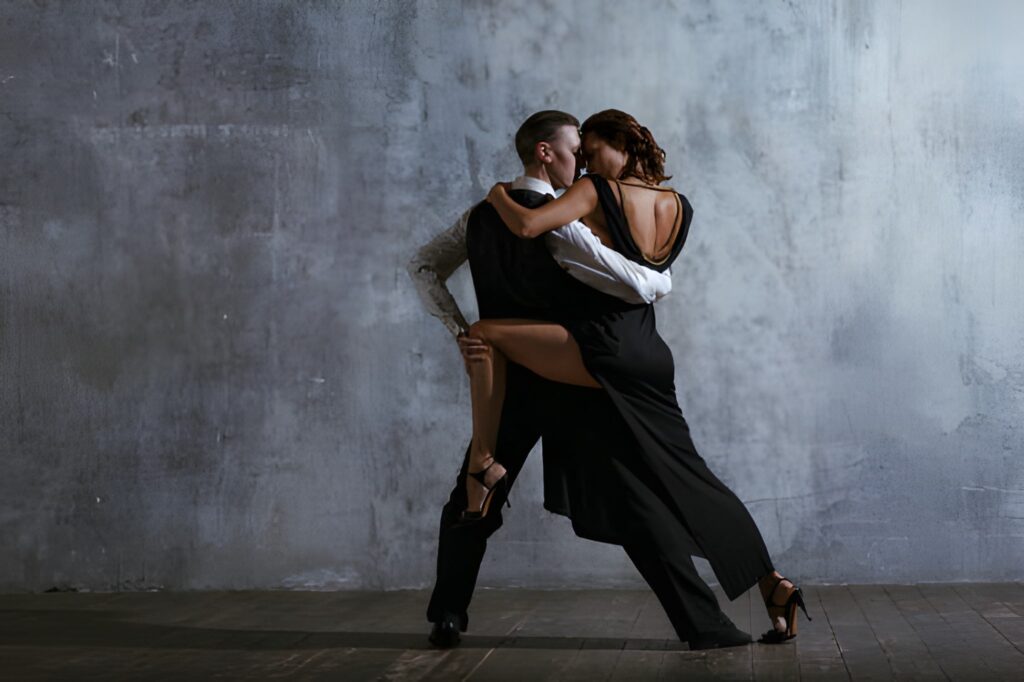
Your wedding first dance creates a defining moment captured in photos and memories forever. These six critical facts transform wedding dance preparation from stressful obligation to joyful opportunity.
Yet many couples approach this moment with more anxiety than anticipation, leaving preparation until the last minute or hoping natural chemistry will carry them through. Understanding these facts early gives you time to prepare properly and confidence to enjoy your moment fully.
Fact 1: Keep Your First Dance to 90 Seconds Maximum
Ninety seconds is the maximum for a wedding first dance. Most couples should aim for 60-90 seconds—shorter than most full songs and much shorter than couples typically imagine when choosing their song.
Why Length Matters
Several factors make longer dances problematic:
- Guest attention spans: Wedding guests want to celebrate with you, not watch you for five minutes. After 90 seconds, even supportive audiences begin looking at their phones or conversations.
- Physical stamina: Dancing demands more energy than you expect, especially in wedding attire. Longer dances lead to visible fatigue, sweating, and mechanical movement as you tire.
- Memory load: Every additional second of choreography increases the chance of blanking mid-dance. Shorter routines stay in muscle memory more reliably.
- Technical mistakes: Longer dances provide more opportunities for visible errors. Shorter dances end before mistakes can multiply.
The earlier you begin practice, the more your choreography transfers from short-term to long-term muscle memory. Couples who start lessons months before their wedding dance with confidence; couples who cram in final weeks dance from conscious recall, which fails under pressure.
Fact 2: Prepare for Multiple Dances, Not Just the First Dance
Your choreographed first dance ends, applause fills the room—and then guests expect you to keep dancing. The wedding DJ won’t immediately shift away from the newlyweds. You’ll likely dance through at least part of another song.
Your preparation shouldn’t stop at your choreographed routine. You need:
- Basic social dancing skills: Ability to lead/follow simple patterns without choreography
- Musical adaptability: Comfort dancing to various songs, not just your practiced piece
- Performance stamina: Energy for continued dancing after your routine
Work with your instructor on basic patterns you can use for any slow or medium-tempo song. These become your “safety net” when choreography ends but dancing continues.
Fact 3: Plan Dances with Family Members
Beyond your first dance as a couple, weddings traditionally include dances with parents:
- Bride dancing with father
- Groom dancing with mother
- Optional dances with step-parents or significant relatives
These dances receive nearly as much attention as your first dance. Unprepared father-daughter or mother-son dances create awkward moments that guests remember.
Foxtrot: Your Get Out of In-Law Dance Jail Free Card
Foxtrot is the ideal dance for parent dances because:
- Accessible to all ages: The smooth, simple movement works for parents of any physical capability
- Universally elegant: Foxtrot looks sophisticated regardless of skill level
- Conversational pace: The tempo allows for emotional moments and conversation
- Low learning curve: A few basic patterns create a complete parent dance
Include at least one parent in your dance lesson process. A single session where you learn complementary patterns together transforms an awkward obligation into a meaningful shared experience.
Fact 4: Create Original Choreography, Not Internet Copies
Wedding dance videos flood Pinterest and YouTube. Couples find appealing routines and attempt to copy them at home. This approach fails for several reasons:
- Skill mismatch: The couples in viral videos often have dance training. Their “simple” moves require capabilities you haven’t developed.
- Physical differences: Choreography that works for one couple’s heights, builds, and strengths may not work for yours.
- Song differences: Even if you use the same song, your venue acoustics, DJ equipment, and timing will differ.
- Missing technique: Videos show movements but not the weight transfers, timing cues, and frame maintenance that make them work.
Custom choreography designed for you considers your individual strengths and limitations, your physical proportions, your comfort levels, and your personality and relationship style. A professional choreographer creates something uniquely yours.
Fact 5: Dance Lessons Provide Lasting Value Beyond the Wedding
Many wedding expenses vanish after the event: flowers wilt, food is consumed, decorations go to storage. Dance lessons differ. The skills you learn remain with you indefinitely.
Couples who learn to dance for their wedding gain:
- Ongoing date night activity: Dance skills create entertainment options for years to come
- Social confidence: Ability to participate in dancing at future events
- Physical fitness: Dance provides excellent exercise that feels like fun
- Relationship strengthening: Partner dancing develops communication and connection
- Stress relief: Dancing offers emotional and physical release throughout life
When comparing wedding dance lessons to other wedding expenses, consider cost-per-use. A $3,000 wedding cake provides a few hours of enjoyment. Dance lessons might cost less while providing decades of value.
Fact 6: Dance Together Beyond the Wedding Day
Successful marriages include activities couples enjoy together. Dance provides:
- Regular date nights: Weekly lessons or social dances create consistent couple time
- Shared growth: Learning together builds teamwork and mutual support
- Physical connection: Dance maintains physical intimacy through touch and movement
- Social community: Dance studios introduce couples to like-minded friends
- Stress processing: Physical movement helps couples process life pressures
Your wedding dance preparation can become the beginning of a dance journey rather than its end. Many couples discover unexpected joy in learning together and continue lessons after the wedding.
Preparing for Your Wedding Dance
Timeline Recommendations
6+ months before wedding: Begin discussions about song selection, schedule introductory dance lesson, assess current ability levels
4-5 months before wedding: Finalize song choice, begin regular lessons, start choreography development
2-3 months before wedding: Refine and polish choreography, practice without instructor, include parent dances in preparation
1 month before wedding: Dress rehearsal in wedding attire, practice in wedding shoes, final polishing sessions
Week of wedding: Light review only—no major changes, trust your preparation, enjoy the process
Choosing Your Song
Song selection affects everything else. Consider:
- Personal meaning: Does this song represent your relationship?
- Tempo: Can you move to this speed comfortably?
- Length: Does it need editing for optimal dance length?
- Lyrics: Are the words appropriate for your families to hear?
- Recognizability: Will guests connect with this music?
Your instructor can help assess whether your preferred song works for dancing and suggest edits if needed.
Frequently Asked Questions
How many lessons do we need for our wedding dance?
Most couples benefit from 8-12 lessons for a polished first dance. Fewer lessons work for couples with prior dance experience; more may help couples starting from zero.
We have no dance experience—is that a problem?
Not at all. Professional instructors work with complete beginners regularly. Starting from zero simply means more foundation building before choreography.
Should we tell our instructor about physical limitations?
Absolutely. Any injuries, mobility issues, or physical concerns should be discussed immediately. Choreography adapts to accommodate your bodies.
What if we can’t agree on a song?
Instructors often help mediate song selection. Sometimes the “right” song isn’t either partner’s first choice but represents compromise both can embrace.
Can we involve wedding party members in a group dance?
Yes, but group choreography requires significantly more preparation and coordination. Discuss this possibility early with your instructor.
What should we wear to lessons?
Comfortable clothing allowing movement. Bring shoes similar to what you’ll wear at the wedding to practice in. Some brides bring their actual dress for final sessions.
Your Wedding Dance Awaits
Your first dance as a married couple need not be a source of stress. With proper preparation, understanding of these critical facts, and professional guidance, your wedding dance becomes a highlight rather than an obstacle.
The investment you make now creates a moment you’ll treasure forever—and skills you’ll enjoy throughout your marriage.
Start your preparation today. Your wedding dance awaits, and it can be everything you imagine.