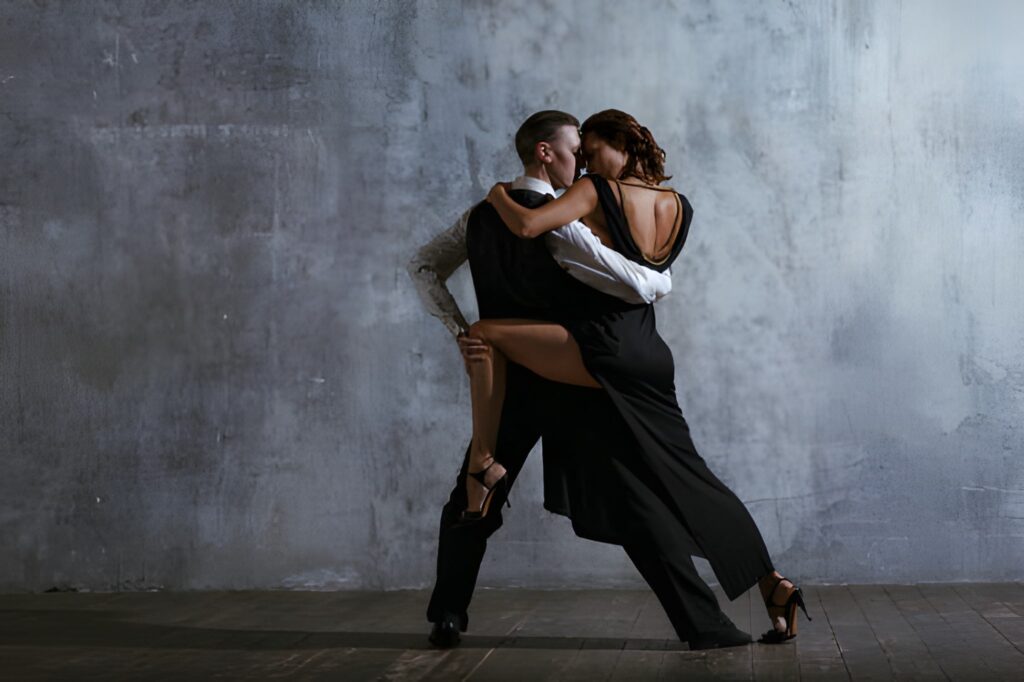
Wedding season is coming. You know this because your calendar is suddenly full of save-the-dates, your inbox is filling with registry links, and someone – maybe you – is starting to panic about the first dance.
Here’s the thing: wedding dance stress is almost entirely preventable. With the right timeline and approach, you can walk into wedding season confident instead of terrified.
This is your survival guide.
The Wedding Dance Timeline (And Why You’re Probably Behind)
Most couples start thinking about their first dance about six weeks before the wedding. This is survivable, but it’s not ideal. The couples who look the best – who actually enjoy their first dance instead of white-knuckling through it – started earlier.
Here’s what a realistic timeline looks like:
3-6 months out: Start lessons. You have time to build real skills, not just memorize a routine. You can try different styles, find what feels natural, and develop actual confidence on the floor.
6-12 weeks out: The minimum. You can learn a solid first dance routine in this window, but you won’t have time to explore much beyond it. Good for couples with specific goals and busy schedules.
Less than 6 weeks: Emergency mode. Still possible – we’ve done it – but you’re limited to basic patterns and lots of repetition. The goal shifts from “impressive” to “not embarrassing.”
In fact, the biggest factor isn’t how much time you have – it’s how consistently you use it. Two lessons per week for six weeks beats one lesson per week for twelve weeks every time.
Choosing Your First Dance Style
Your song choice often determines your dance style. Here’s the quick breakdown:
Slow and romantic? Rumba or slow Foxtrot. These work for ballads and give you that classic, swaying-in-each-other’s-arms look.
Classic standards? Foxtrot. Sinatra, Bublé, anything with a swing feel – Foxtrot is your friend.
Upbeat and fun? Swing or Cha-Cha. These let you show personality and work great for couples who want energy over elegance.
Contemporary pop? This is where it gets creative. Many modern songs don’t fit traditional ballroom categories, but a good instructor can choreograph something that works with almost anything.
Pro Tip: Bring your song to your first lesson. Don’t pick a song because it seems “danceable” – pick the song that means something to you. We’ll figure out how to dance to it.
The Four Things Every Wedding Dance Needs
Regardless of style, every successful first dance has four elements:
1. A confident beginning. How you walk onto the floor and take your first position sets the tone. This is often the most nervous moment – and the most important to nail.
2. Movement that fills the space. Your guests are watching. A first dance that stays in one spot for three minutes feels static. You need patterns that travel, even if they’re simple.
3. A moment. Something memorable – a dip, a spin, a pause that catches attention. One well-executed moment is better than twelve mediocre ones.
4. A graceful exit. How you finish matters. A clean ending – whether it’s a traditional dip or simply stopping together on the final note – leaves a strong impression.
That’s it. Your first dance doesn’t need to be complicated. It needs to be confident, complete, and genuinely you.
The Parent Dances (Don’t Forget These)
The first dance gets all the attention, but parent dances matter too. Father-daughter, mother-son – these are emotional moments that deserve preparation.
The good news: parent dances are usually simpler. A basic box step in Waltz or Foxtrot, maybe a turn or two – that’s enough. What matters is connection, not choreography.
Side note: We’ve seen plenty of parents who haven’t danced in decades come in for a quick lesson before the wedding. One session is often enough to feel comfortable. Two sessions makes them look good.
The Reception Floor (Your Secret Challenge)
Here’s what most couples don’t think about: after your first dance, there’s an entire reception. The DJ plays music. People expect you to dance. And suddenly your three-minute routine is over and you’re staring at five hours of dance floor time.
This is where basic social dance skills pay off. If you can handle a few different styles – Foxtrot for standards, swing for upbeat songs, maybe a basic hustle – you’ll actually enjoy your own reception.
In fact, the couples who have the most fun at their weddings are the ones who prepared beyond just the first dance. They can dance to the slow songs. They can dance to the fast songs. They’re not hiding at their table waiting for the night to end.
Common Mistakes (And How to Avoid Them)
Waiting too long to start. Every week you delay is a week you can’t get back. Start now, even if your wedding is months away. More time means less stress and better results.
Overcomplicating the routine. Simple and confident beats complex and shaky. Your guests can’t tell the difference between Bronze 1 patterns and Silver patterns – they can definitely tell the difference between confident and nervous.
Skipping practice between lessons. Lessons teach you what to do. Practice is where you actually learn it. Even five minutes a day at home makes a difference.
Ignoring the song’s structure. Your song has an intro, verses, a chorus, maybe a bridge. Your choreography should acknowledge this. Starting patterns on random beats looks amateur.
Not practicing in your actual clothes. Heels feel different than sneakers. A suit jacket restricts movement differently than a t-shirt. Practice at least a few times in your wedding attire before the big day.
What to Expect in Your First Wedding Dance Lesson
If you’ve never taken a dance lesson before, here’s what happens:
Your instructor will ask about your wedding, your song, and your goals. They’ll assess where you are – which is usually “complete beginner,” and that’s completely fine.
Then you’ll start moving. Basic frame, basic steps, basic timing. You’ll probably feel awkward for the first fifteen minutes. By the end of the lesson, you’ll have the foundation of an actual dance.
Pro Tip: Bring comfortable shoes to your first lesson. Save the formal footwear for later.
The Confidence Factor
Here’s what we’ve learned from teaching hundreds of wedding couples: the technical quality of your dancing matters less than how confident you look doing it.
Guests aren’t judging your footwork. They’re reading your body language. Are you relaxed? Are you smiling? Are you connecting with your partner? These things communicate more than any choreography.
Confidence comes from preparation. When you know your routine cold – when you’ve practiced it enough that your body does it automatically – you can stop thinking about steps and start being present.
That’s the goal. Not perfection. Presence.
Your Wedding Season Action Plan
Whether you’re getting married this spring or attending five weddings as a guest, here’s your action plan:
If you’re the couple: Schedule your first lesson this week. Not next month. This week. The sooner you start, the less stressed you’ll be and the better you’ll look.
If you’re a parent with a dance coming: One or two lessons is enough to feel comfortable. Don’t overthink it – just get in and learn the basics.
If you’re attending weddings: A few basic patterns in Foxtrot and Swing will get you through any reception. Consider this your excuse to finally learn.
Wedding season doesn’t have to be stressful. With a little preparation, it can actually be fun.
The dance floor is waiting. Your move.
For more wedding dance preparation, check out 6 Critical Wedding Dance Facts and explore our complete guide to wedding dance planning.